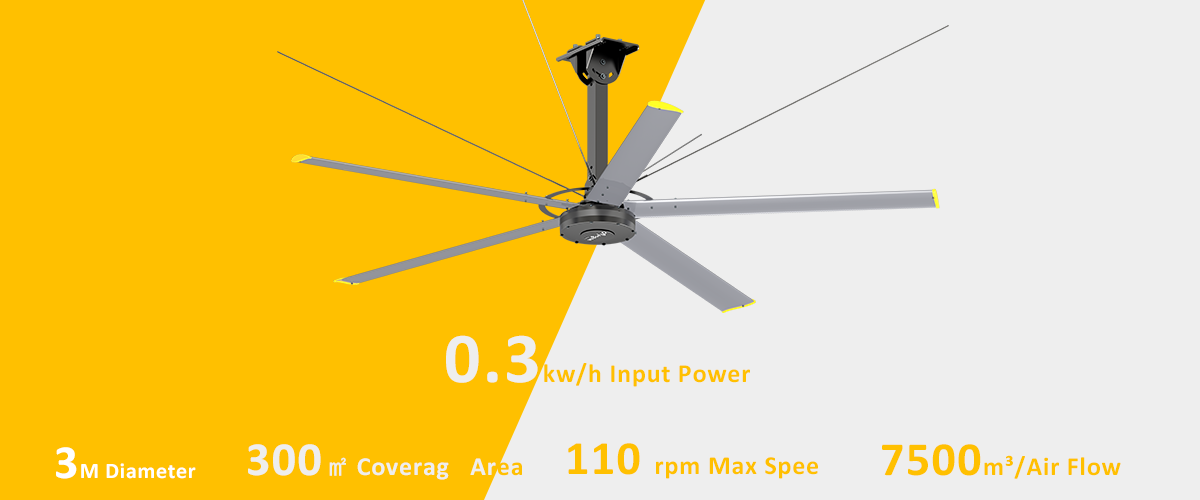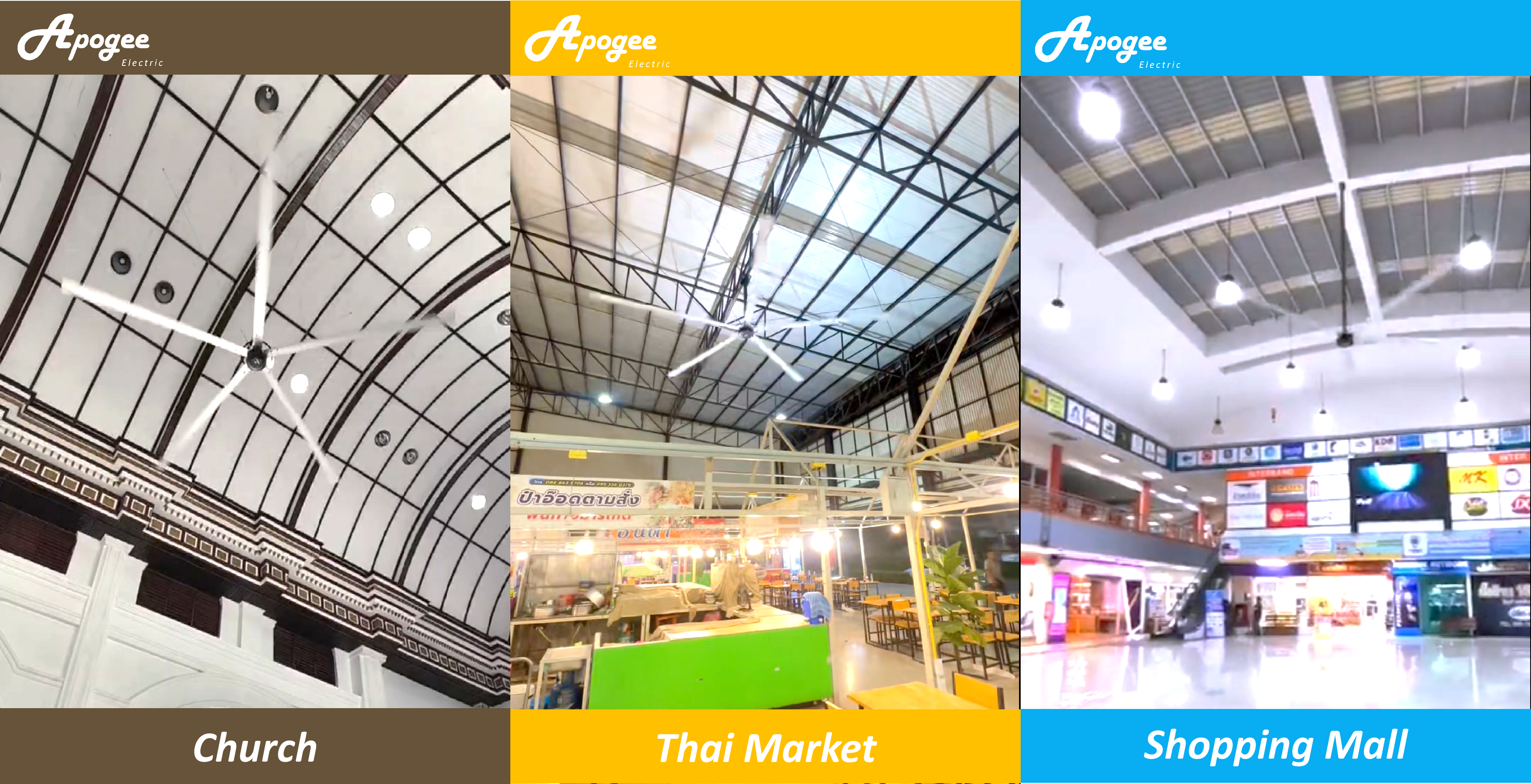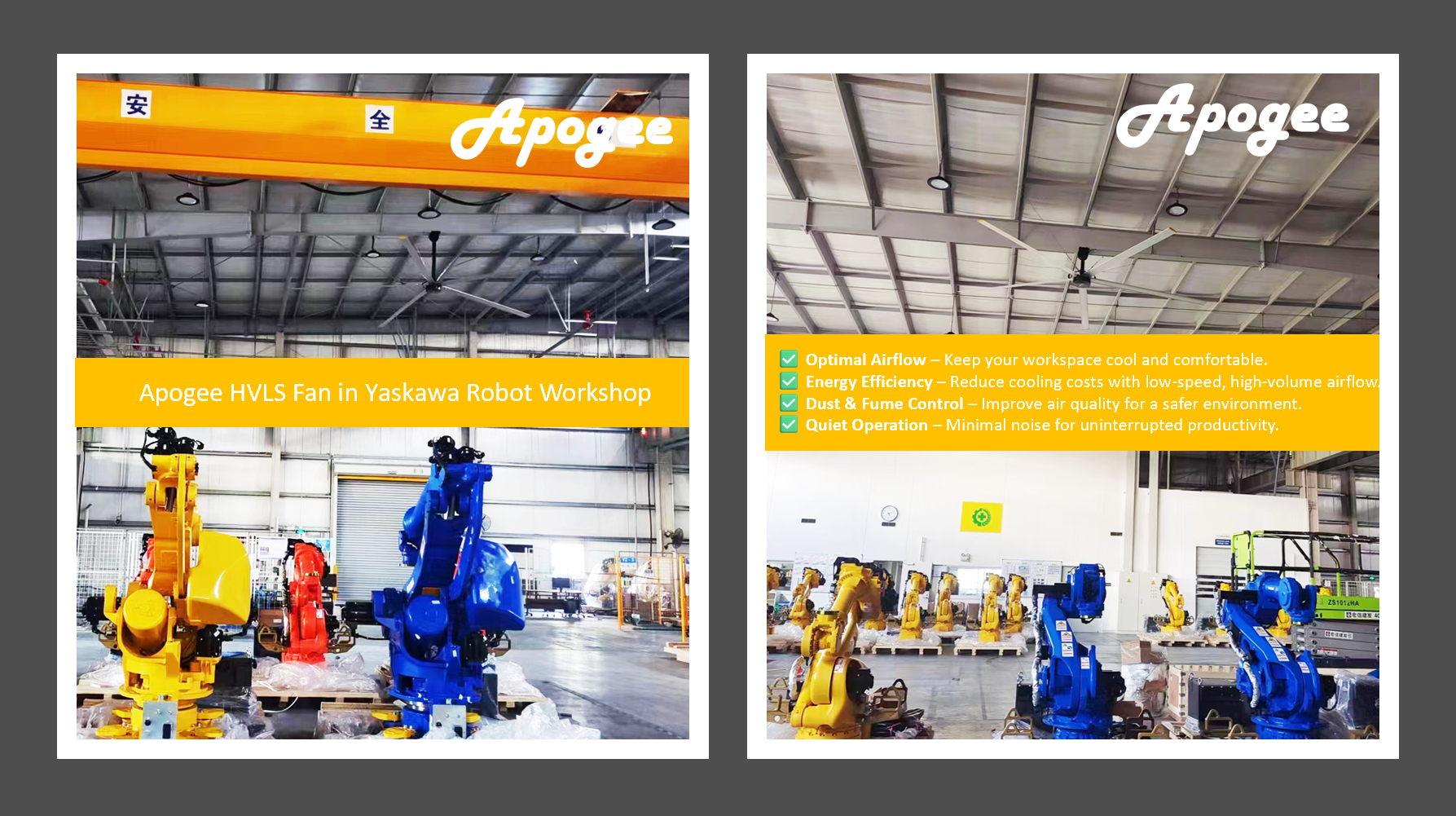
Featured Agricultural Barn Ventilation Systems
Engineered specifically for harsh barn environments, livestock heat stress mitigation, and energy-efficient climate control.
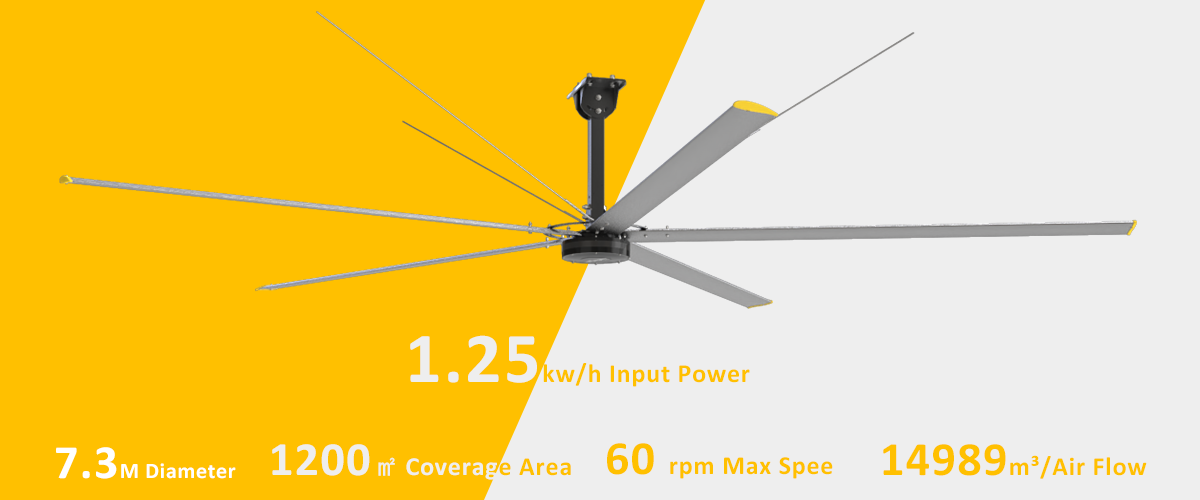
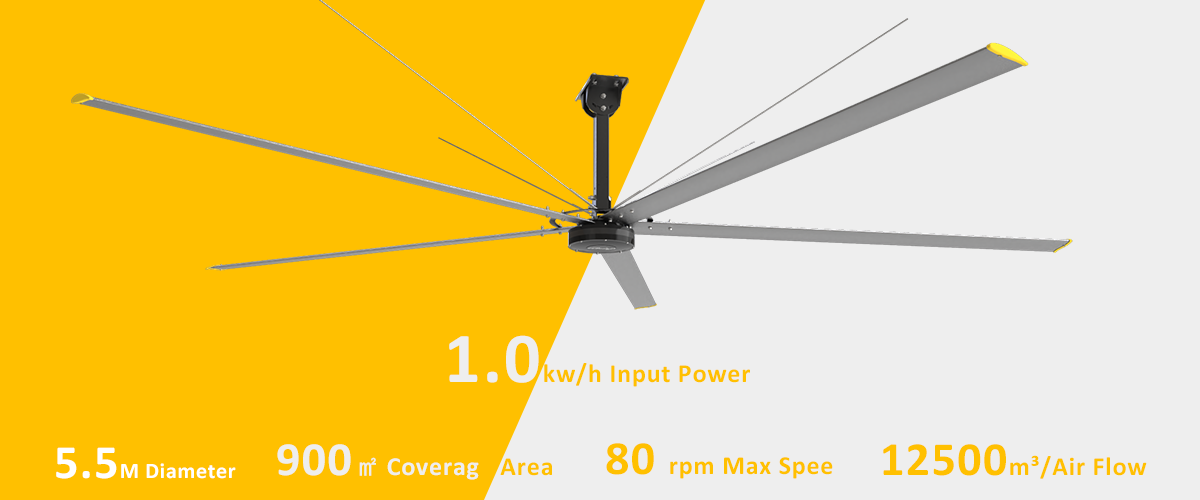
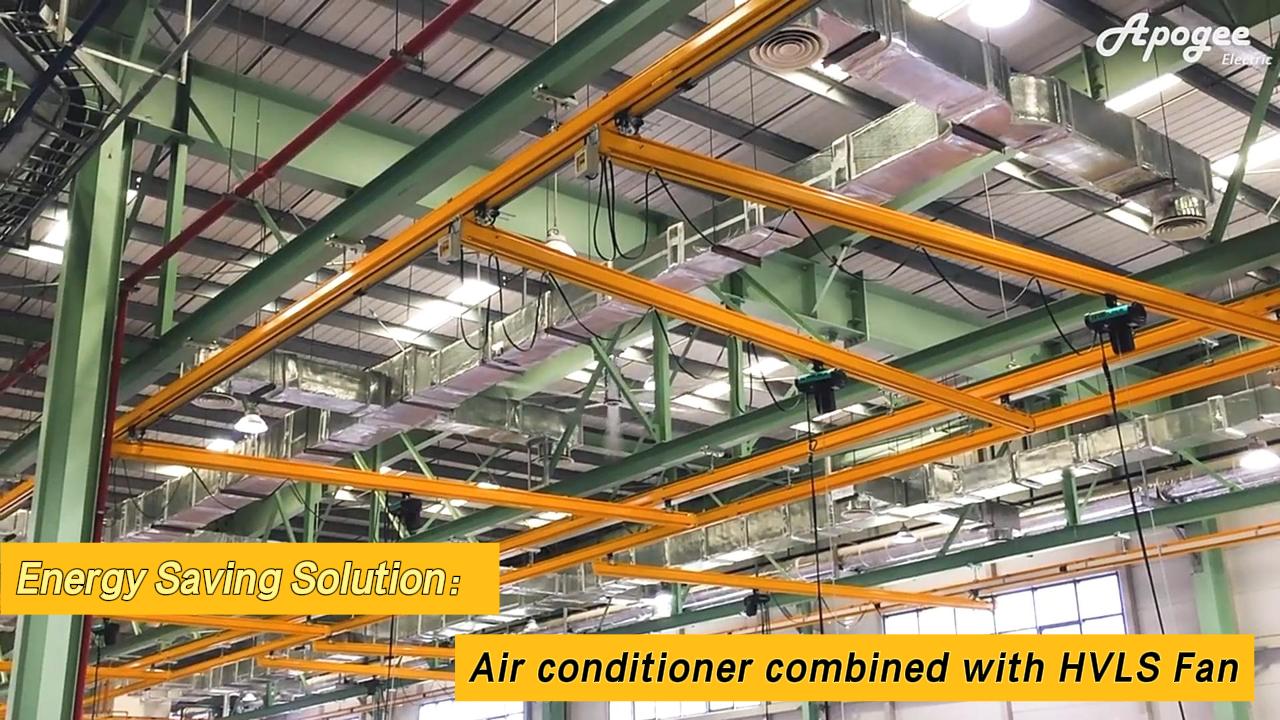
The Technological Revolution of Agricultural Barn Ventilation
Modern livestock and agricultural operations face unprecedented challenges due to volatile global climate patterns, rising ambient summer temperatures, and growing biosecurity demands. In dairy farming, swine production, poultry houses, and equestrian barns, maintaining an optimal microclimate is directly correlated with animal welfare, disease prevention, and financial profitability. The application of a Large Industrial Fan For Agricultural Barns has evolved from a luxury accessory to an essential foundational infrastructure.
Historically, agricultural facilities relied heavily on high-speed box fans, panel fans, or passive curtain ventilation systems. While functional over small spaces, these traditional solutions suffer from major drawbacks: localized air turbulence, high electrical power consumption, intense noise levels that stress animals, and rapid mechanical degradation caused by corrosive barn environments (ammonia gas, humidity, dust). Today, High-Volume Low-Speed (HVLS) technology powered by Direct-Drive Permanent Magnet Synchronous Motors (PMSM) represents the state of the art in agricultural ventilation engineering.
PMSM direct-drive motors consume up to 60% less energy compared to traditional gearbox motor combinations while delivering uniform low-speed airflow across vast square footage.
Substantially reduces the Temperature-Humidity Index (THI), preventing drop-offs in milk production, feed intake degradation, and heat-induced metabolic diseases in livestock.
Eliminates oil leakage hazards associated with traditional reduction gearboxes, preserving clean air standards and IP65/IP67 water/dust resistance for corrosive barn atmospheres.
PMSM Direct-Drive Innovation in Agricultural Fan Design
Why modern modern agricultural facilities are replacing legacy gearboxes with advanced magnetic motor control systems.
Traditional Gearbox Fan Technology
Conventional industrial fans use induction motors connected to high-friction reduction gearboxes. In agricultural environments, these systems frequently encounter serious operational issues:
- Oil Leakage Risk: Gearbox seals degrade over time, threatening feed lines and animal resting areas with toxic lubricant drips.
- High Maintenance Costs: Requires periodic gear oil changes, belt adjustments, and replacement of wearing mechanical seals.
- Noise Pollution: Mechanical gear mesh creates high-decibel hums that cause persistent baseline stress for dairy cows and horses.
- Lower Efficiency: Friction loss reduces mechanical efficiency down to 70%-75%.
Apogee PMSM Direct-Drive Core Technology
Apogee Electric's advanced PMSM motor technology completely redefines performance in agricultural structures:
- Zero Maintenance & Leak-Free: Gearless architecture eliminates oil completely, removing maintenance burdens and contamination risks.
- Whisper-Quiet Operation: Operating noise levels below 38 dBA foster a tranquil environment for high-yielding livestock.
- Superior Efficiency: Motor efficiency exceeds 92%, translating directly into lower monthly utility invoices for large-scale farms.
- Intelligent Vector Control: Seamless integration with digital environmental monitors for automated speed scaling based on THI metrics.
In-Depth Scenario Analysis: HVLS Fans across Agricultural Sectors
1. Free-Stall Dairy Barns: Protecting Milk Production & Reproductive Health
Dairy cattle are exceptionally sensitive to high temperatures. When ambient conditions push the Temperature-Humidity Index (THI) above 68, dairy cows experience acute heat stress. Physiological reactions include elevated respiration rates, reduced rumination time, lowered feed intake, and a severe drop in daily milk yield—often ranging from 10% to 35%. Furthermore, chronic heat stress negatively impacts cow conception rates and calf birth weights.
Installing large industrial HVLS fans directly over feeding alleys and free-stall cubicles generates a continuous, gentle breeze moving at 2.0 to 3.5 meters per second across the cow's skin. This convective cooling effect lowers the cow's effective temperature perception by 4°C to 8°C. By keeping bedding materials dry through constant air exchange, Apogee HVLS fans also dramatically decrease environmental mastitis pathogens in stall straw or sand.
2. Poultry Broiler & Layer Houses: Moisture Evaporation and Air Quality
High bird density in poultry housing generates immense metabolic heat, respiratory moisture, and ammonia ($NH_3$) off-gassing from litter. Stagnant pockets of toxic gas and wet floor conditions lead to footpad dermatitis, breast blisters, and elevated mortality rates.
Apogee Large Industrial Fans push thousands of cubic meters of air downward to break up thermal thermal stratification near ceiling structures. As air blankets the barn floor, it accelerates moisture evaporation from chicken litter, maintains drier flooring, dilutes toxic gas pockets, and optimizes oxygen dispersion throughout the entire floor level.
3. Swine Gestation, Farrowing, and Finishing Facilities
Pigs lack functional sweat glands, making them extraordinarily vulnerable to thermal exhaustion. In farrowing barns, managing the microclimate is tricky because sows require cool temperatures (18°C–20°C) while newborn piglets demand warm, draft-free microzones (30°C–32°C). High-velocity direct blasts can chill piglets, but low-speed gentle airflow provided by HVLS technology sweeps away hot stagnant air at upper heights without creating high-speed floor drafts that endanger piglets.
4. Equestrian Arenas & Breeding Stables
Horses are prone to respiratory disorders such as Recurrent Airway Obstruction (RAO) caused by inhaling airborne dust particles, mold spores, and dried manure debris in enclosed riding arenas. Apogee HVLS ceiling fans establish continuous indoor circulation that forces dust particles downward while constantly circulating fresh outside air through roof vents and doors without disturbing arena footing sand.
About Apogee Electric & Manufacturing Power
National Innovative and High-Tech Enterprise Leading global agricultural ventilation innovation.
Apogee Electric was established in 2012, awarded with national Innovative and high-tech enterprise certificate, we have PMSM motor and motor control core technology, The company is an ISO9001 certified company and has more than 40 intellectual property rights for PMSM motor, motor driver, and HVLS FAN.
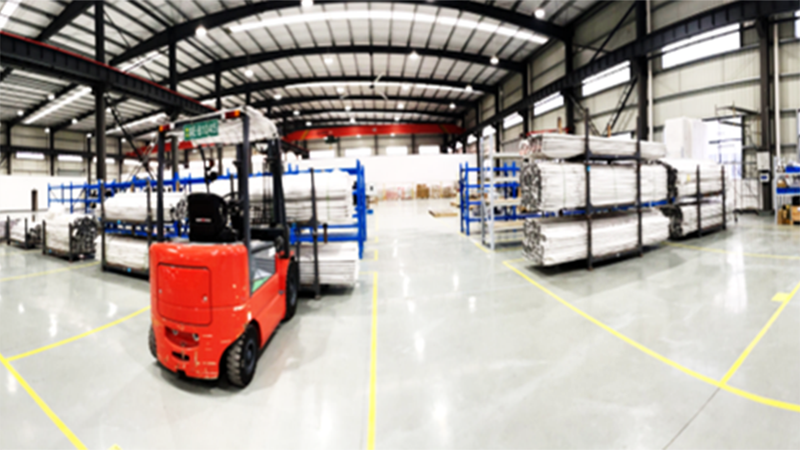
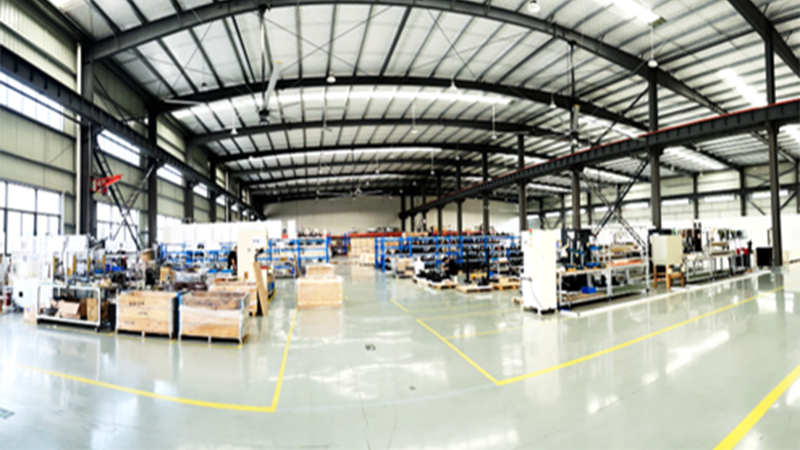
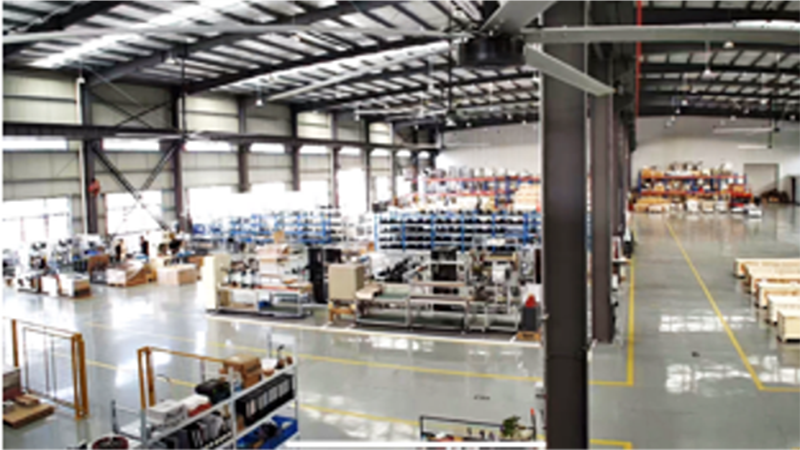
In 2022, we established a new manufacturing base in Wuhu city, over 10,000 sqm, the production capacity can reach 20K sets HVLS Fans and 200K PMSM motor and control systems. We’re the leading HVLS fan company in China, we have more than 200 people, dedicated in developing and manufacturing HVLS fans, cooling and ventilation solutions. Apogee PMSM Motor technology brings small size, light weight, energy saving, smart control to enhance product value. Apogee is located in Suzhou, 45 minutes away shanghai Hongqiao international airport. Welcome to visit us and become Apogee customers!
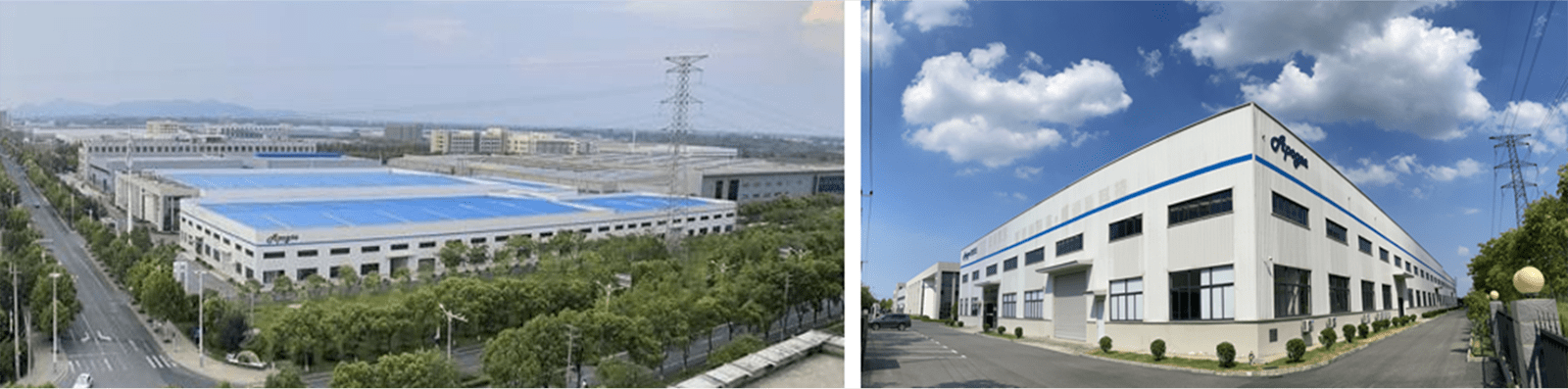
State-of-the-Art Manufacturing & Facilities
Explore our 10,000+ sqm production line and advanced testing centers.



Economic Return on Investment (ROI) for Agricultural Operations
Investing in large industrial barn ceiling fans offers measurable economic returns across multiple revenue drivers in commercial farming:
1. Direct Energy Utility Savings
A single 7.3m (24ft) Apogee PMSM HVLS fan consumes approximately 1.1 kW to 1.5 kW per hour while displacing air over an area exceeding 1,500 square meters. To cover an equivalent barn surface using standard 36-inch box fans would require up to 10 to 14 units consuming over 5.5 kW total. Replacing legacy equipment with Apogee HVLS fans yields energy savings between 40% and 70% during peak cooling seasons.
2. Animal Productivity & Mortality Reduction
By keeping cow milk production steady during summer heatwaves, a 500-head dairy herd can prevent thousands of dollars in lost yield per season. Reduced heat-induced systemic stress also translates into fewer veterinary interventions, reduced somatic cell counts (SCC), improved reproduction rates, and significantly lower livestock mortality rates.
Our Global Partners & Enterprise Certifications
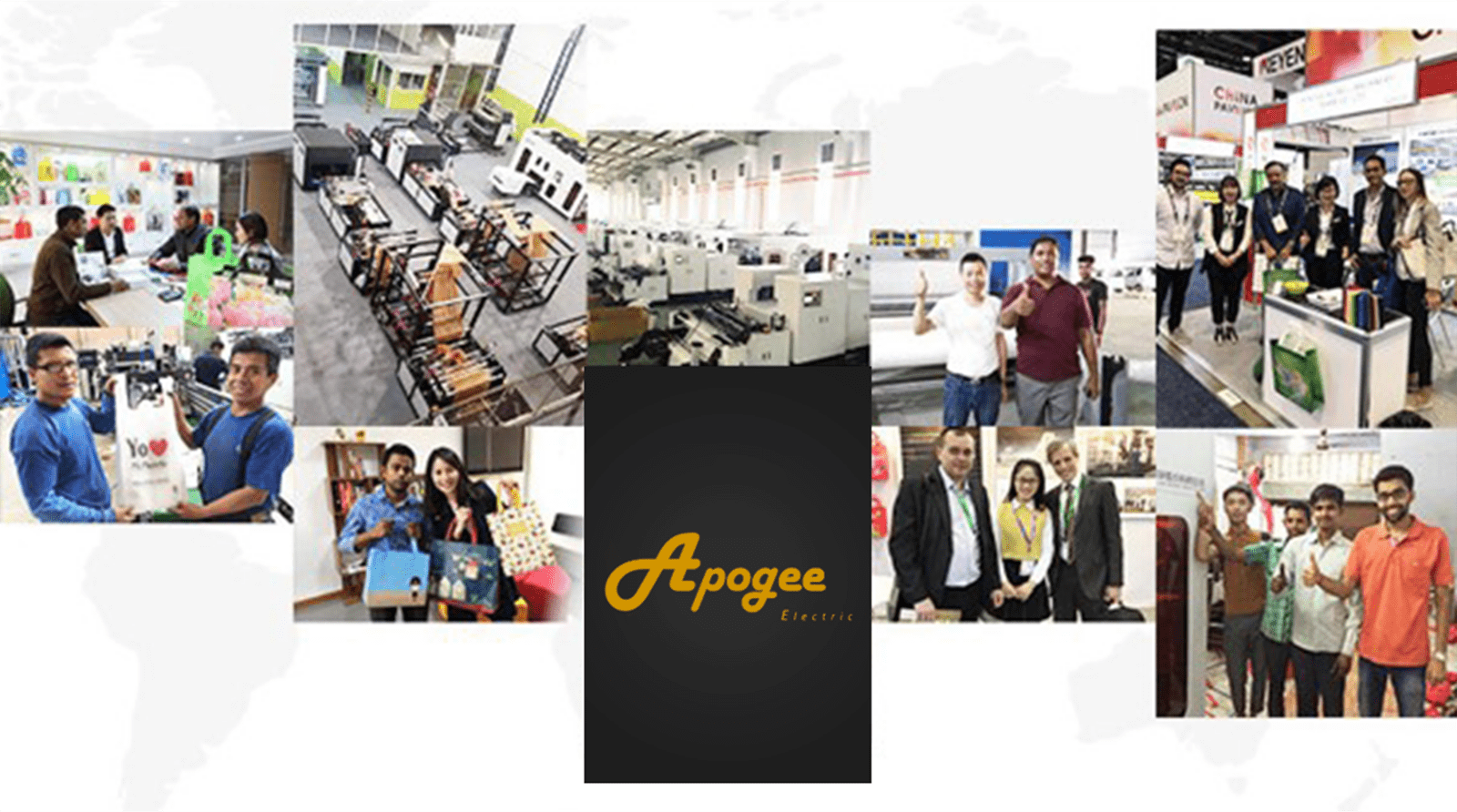
Trusted by industry leaders worldwide and backed by rigorous international quality standards.
Our Partners
Certificates & Patents

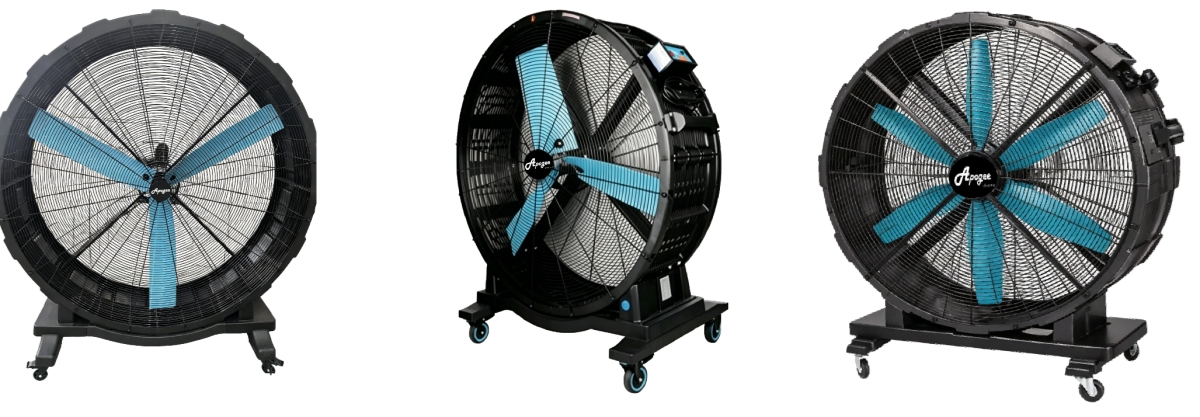
Complete Series of Industrial Barn HVLS Solutions
Explore Apogee Electric's complete product range tailored for modern agricultural and industrial applications.