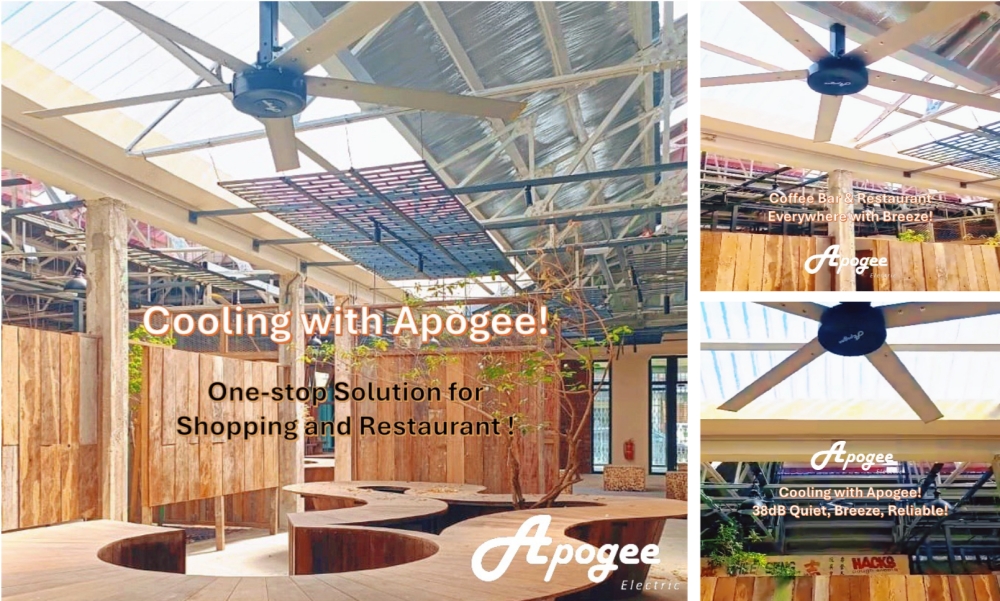
Featured Gym & Fitness Ventilation Systems
Why HVLS Fans Stand For the Future of Fitness Center Climate Engineering
In the modern commercial fitness industry, creating an optimized indoor climate is no longer a luxurious amenity—it is a critical driver of member retention, operational cost control, and overall athlete performance. Large-scale fitness centers, CrossFit boxes, indoor sports complexes, and multi-purpose wellness arenas face unique environmental challenges. Traditional HVAC (Heating, Ventilation, and Air Conditioning) units frequently fail to deliver uniform air distribution across vast expanses with high ceilings. The result is uneven temperature gradients, stagnant air zones, high humidity, localized odor pockets, and exorbitant monthly power bills.
This is precisely where HVLS Fans Stand For Fitness Centers as a transformative technology. High-Volume, Low-Speed (HVLS) ceiling fans operate on fundamental fluid dynamics: utilizing massive aerodynamic blades rotating at low rotational speeds to displace enormous volumes of air gently and continuous down to the floor level. Unlike high-speed standard fans that generate turbulent, localized, noisy air currents, an HVLS fan creates a continuous floor jet that radiates outward in 360 degrees, breaking down thermal boundary layers and delivering a natural, cooling breeze across thousands of square meters.
Commercial and Industrial Status Quo in Gym Micro-Climates
Historically, gym managers relied on high-powered wall-mounted fans, floor blowers, and heavy-duty HVAC compressor chillers. However, this traditional approach presents severe operational flaws. High-speed fans consume excessive energy relative to their area coverage, create disruptive acoustic noise, blow lightweight gym equipment around, and fail to lower overall room humidity. HVAC chillers alone struggle with vertical thermal stratification; warm air naturally rises to high ceilings (often 5 to 10 meters tall), while cold air sits trapped at ground level. To make occupants on the workout floor feel cool, facility managers are forced to over-cool the space, causing HVAC units to run at peak capacity indefinitely.
The industry landscape has shifted dramatically over the past decade. Facility engineers now recognize that air movement is as vital as refrigeration. By introducing high-diameter HVLS fans, gym administrators establish a dynamic airflow ecosystem. The gentle breeze across human skin enhances evaporative cooling, lowering perceived temperature (the wind-chill effect) by 4°C to 7°C. Consequently, the primary HVAC thermostat can be raised by several degrees without sacrificing member comfort, delivering immediate and quantifiable utility bill savings.
In-Depth Scenario Analysis: HVLS Applications Across Fitness Facilities
Not all gym zones are created equal. Modern mega-fitness complexes feature diverse functional areas with varying heat loads, ceiling heights, and activity levels. Below is a deep-dive technical analysis of how HVLS fans integrate into distinct fitness center environments:
1. Open-Concept Strength & Weight Training Zones
Weight rooms house high concentrations of human heat output. Heavy lifting elevates body temperature rapidly, producing intense perspiration. Traditional high-velocity fans produce spot-cooling, leaving many athletes in stagnant pockets. An HVLS fan overhead creates continuous 3D air circulation across rows of power racks, cable machines, and dumbbell benches. The uniform velocity (1.0 to 1.5 m/s) accelerates sweat evaporation smoothly without causing eye dryness or muscle chilling, maintaining peak neuromuscular performance.
2. High-Ceiling CrossFit Arenas & Functional Training Hubs
Functional fitness facilities frequently occupy industrial warehouses with ceiling heights ranging from 6 to 12 meters. These spaces feature open doors, uninsulated metal roofs, and high-intensity metabolic workouts (HIIT). HVLS fans stand out as the primary climate control solution in these structural spaces. Hanging elevated far above Olympic rings, rope climbs, and rig structures, a single 7.3-meter PMSM HVLS fan covers up to 1,500 square meters, turning hot, suffocating warehouse spaces into fresh, well-ventilated training sanctuaries.
3. Indoor Basketball, Tennis, & Multi-Sport Courts
Sweat droplets and moisture condensation on wooden court floors present significant slip-and-fall hazards for athletes. In humid climates or packed indoor games, moisture accumulates quickly. HVLS ceiling fans continuously pull air upward and push vast sheets of air horizontally across the floor, rapidly drying moisture micro-layers. This vapor-displacement effect mitigates floor slickness, preserves hardwood court longevity, and ensures safety during fast-paced athletic competitions.
4. Mind-Body Studios: Yoga, Pilates, & Active Recovery Lounges
Silence and tranquil environmental rhythm are non-negotiable in mind-body disciplines. Traditional mechanical fans generate distracting motor hums and harsh direct wind currents that disrupt meditation or breathwork. Utilizing PMSM direct-drive motor technology, Apogee HVLS fans operate at noise levels as low as 38dB—virtually imperceptible to the human ear. Running at minimal RPM, the fans provide a subtle, gentle ambient air movement that keeps hot yoga rooms or pilates studios fresh without disturbing light equipment or serene atmosphere.
Performance & ROI Comparison: Traditional Ventilation vs. HVLS Integration
| Parameter | Traditional HVAC & Wall Fans | HVLS + HVAC Integrated Solution | Operational Impact |
|---|---|---|---|
| Airflow Pattern | Turbulent, spot-cooling, dead air pockets | 360° uniform, floor-jet circulation | Eliminates hot/cold zones facility-wide |
| Noise Output | High (65 dB - 78 dB) | Ultra-Quiet (< 38 dB with PMSM) | Elevates member experience & ambience |
| Energy Consumption | High baseline (Continuous compressor load) | Up to 30% reduction in HVAC energy | Rapid payback period (12 - 18 months) |
| Sweat / Condensation Drying | Localized, slow evaporation | Accelerated floor drying & skin evaporative cooling | Prevents floor slip hazards & odor buildup |
| Maintenance Requirements | Frequent belt/filter/motor maintenance | Zero-maintenance PMSM direct drive system | Lower labor & replacement expenditure |
Future Market Trends: Smart Automation & Engineering Innovation in Gym HVLS Systems
As smart building management systems (BMS) become standard in commercial property development, HVLS technology is undergoing rapid architectural evolution. Gym owners are demanding automated, connected, energy-aware systems that adapt autonomously to changing environmental loads throughout the operating day.
1. Integration of PMSM (Permanent Magnet Synchronous Motor) Direct Drive
First-generation HVLS fans relied on industrial AC motors equipped with mechanical gearboxes. While powerful, gearbox fans suffered from oil leakage risks, mechanical gear friction, structural vibration, heavy total weight, and loud acoustic signatures. The modern standard—championed by Apogee Electric—is the PMSM direct-drive motor. By eliminating gearboxes entirely, PMSM tech delivers high torque at lower RPMs with minimal energy loss, zero oil leaks, extremely low weight, and whisper-quiet acoustic performance tailored for customer-facing commercial environments.
2. Dynamic Sensor Networks & AI Climate Orchestration
The future of fitness facility management lies in AI-driven ambient control. Next-generation HVLS installations incorporate ambient carbon dioxide sensors, relative humidity meters, ambient temperature probes, and occupancy counters. When gym peak hours begin (e.g., 5:00 PM - 8:00 PM), the central control module automatically ramps fan RPMs up to dissipate sudden spikes in metabolic heat and moisture, maintaining an optimal indoor air quality profile without requiring manual staff intervention.
3. Winter Destratification & Year-Round ROI
Many fitness facility managers view ceiling fans strictly as summer cooling tools. However, HVLS fans deliver exceptional economic returns during winter heating months. Warm air supplied by heating units rises instantly to upper structural trusses, staying trapped out of reach of workout floor patrons. Running HVLS fans in reverse or at low forward speeds continuously pushes this trapped heat back down into the living zone. This thermal destratification equalizes ceiling-to-floor temperature gradients, cutting heating fuel and power consumption by up to 25-30%.
Apogee Electric Engineering Excellence
Apogee Electric was established in 2012, awarded with national Innovative and high-tech enterprise certificate, we have PMSM motor and motor control core technology, The company is an ISO9001 certified company and has more than 40 intellectual property rights for PMSM motor, motor driver, and HVLS FAN.
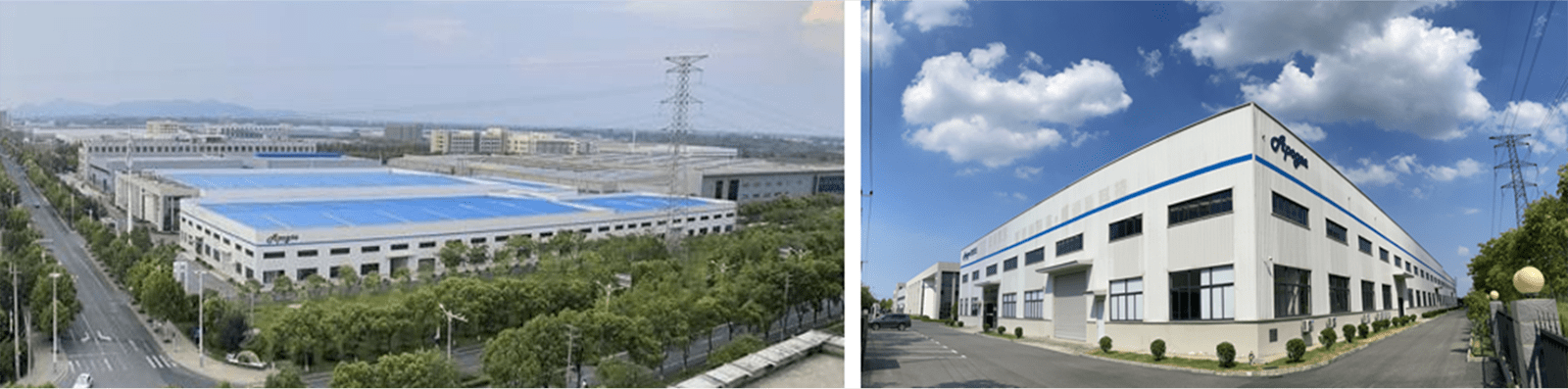
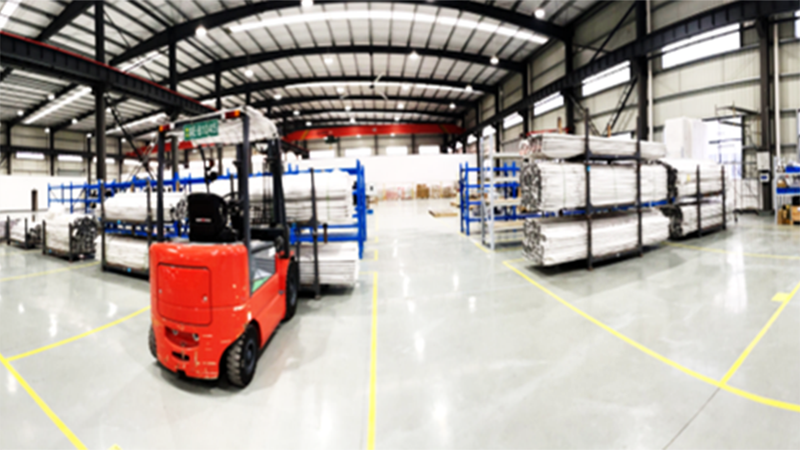
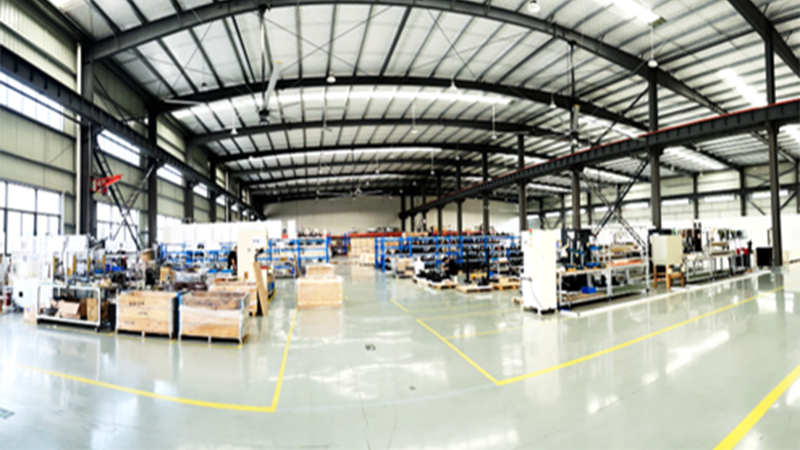
In 2022, we established a new manufacturing base in Wuhu city, over 10,000 sqm, the production capacity can reach 20K sets HVLS Fans and 200K PMSM motor and control systems. We’re the leading HVLS fan company in China, we have more than 200 people, dedicated in developing and manufacturing HVLS fans, cooling and ventilation solutions. Apogee PMSM Motor technology brings small size, light weight, energy saving, smart control to enhance product value. Apogee is located in Suzhou, 45 minutes away shanghai Hongqiao international airport. Welcome to visit us and become Apogee customers!
Factory Tour
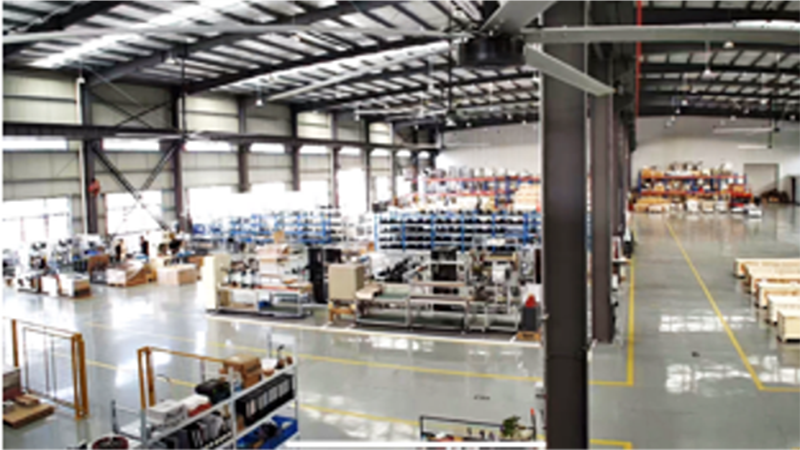
Manufacturing & Assembly Facilities



Global Partners

Certifications & Quality Assurance

Frequently Asked Questions: HVLS Installation in Fitness Centers
Q1: How do I select the right HVLS fan diameter for my fitness center?
Selecting the optimal fan diameter depends on ceiling height, floor surface area, and overhead structural obstructions (such as lighting tracks, sprinklers, or structural beams). As a rule of thumb, fan diameter should be approximately 0.5 to 1.0 times the ceiling clear height. For instance, a gym space with an 8-meter ceiling typically achieves optimal air coverage with a 4.3m to 6.1m diameter fan. Apogee’s engineering team provides tailored 3D airflow simulation analysis to ensure complete coverage without dead zones.
Q2: Will HVLS fans create annoying drafts or blow dust into athletes' eyes?
No. Standard high-speed box fans create intense, focused, turbulent air streams that blow dust and irritate gym users. HVLS fans move massive volumes of air at very low velocities (typically between 1 to 3 m/s). This velocity mimics natural outdoor air movement—gentle, refreshing, continuous, and non-disruptive to indoor activities.
Q3: What safety features are required for overhead gym installation?
Safety is paramount in commercial athletic spaces. Apogee HVLS fan systems feature multi-tier structural redundancies: high-tensile safety cables connecting the motor chassis directly to building beams, blade retention rings preventing blade detachment in extreme collisions, aircraft-grade aluminum alloy blades, and automatic vibration overload safety cut-off sensors.
Complete Commercial & Industrial HVLS Solution Directory