
The Evolution of Ventilation in Modern Airport Terminals
Current Industrial Status
Airport terminals are architectural marvels characterized by vast open spaces, high ceilings, and immense glass facades. While aesthetically pleasing, these features create significant HVAC (Heating, Ventilation, and Air Conditioning) challenges. Traditional air conditioning systems often struggle to distribute cool air evenly in spaces with 20-meter ceilings, leading to "thermal stratification" where cold air sinks to the floor and warm air remains trapped at the passenger level. In the current global industrial landscape, airports are transitioning from energy-intensive cooling to sustainable, hybrid ventilation systems using HVLS (High Volume Low Speed) fans.
The integration of "Warehouse Fans"—specifically large-scale HVLS fans—into airport terminals is no longer just about industrial utility; it is about passenger experience and operational efficiency. Modern terminals in Singapore, Dubai, and Atlanta have begun implementing these fans to bridge the gap between high-velocity AC vents and the ground-level environment. By moving massive volumes of air at low speeds, these fans create a natural cooling effect through evaporative cooling on the skin, making a 28°C environment feel like 23°C, allowing for significant energy savings by adjusting thermostat setpoints.
Deep Application Scenarios in Airport Infrastructure
1. Check-in & Ticketing Halls
These areas experience high-density passenger traffic and long dwell times. High-volume fans ensure that air does not become stagnant during peak hours, reducing the transmission of airborne pathogens and maintaining a fresh atmosphere for travelers and staff alike.
2. Baggage Claim & Logistics Hubs
Baggage handling areas are often semi-open to the tarmac, allowing humidity and jet exhaust fumes to enter. Apogee's HVLS fans provide the necessary air exchange to flush out contaminants and keep the humidity levels low, protecting both equipment and personnel.
3. Maintenance & Repair Hangars
Hangars are essentially massive warehouses. Here, "Warehouse Fans for Airport Terminals" serve a dual purpose: cooling technicians working on aircraft and preventing condensation on sensitive avionics and metallic surfaces. The IP65 rating of Apogee fans ensures durability in these rugged environments.
4. Security Checkpoints
Security zones are often "hot spots" due to the concentration of people and electronic scanners. Gentle airflow from HVLS fans reduces "thermal stress" for security officers who must remain alert for long shifts, directly impacting airport safety and efficiency.
Future Trends: AI, PMSM, and Smart Terminals
PMSM Motor Technology
The industry is moving away from traditional gearbox-driven fans toward Permanent Magnet Synchronous Motors (PMSM). Apogee is at the forefront of this trend. PMSM technology allows for a brushless design, eliminating oil leaks and reducing noise to an whisper-quiet 38dB—critical for the acoustic comfort of airport lounges.
Looking forward, the trend is "Smart Integration." Future airport fans will be connected to Building Management Systems (BMS) via IoT. These fans will automatically adjust their speed based on real-time passenger density sensors and external weather data. For instance, if a flight arrives and 300 passengers enter a gate area, the HVLS fans will ramp up to provide immediate cooling, then throttle down once the area clears, maximizing energy efficiency to help airports reach their "Carbon Neutral" goals by 2050.
Apogee Electric: Leading the HVLS Revolution
Established in 2012, Apogee Electric is a national Innovative and high-tech enterprise. We hold the core technology for PMSM motors and motor control systems. As an ISO9001 certified company, we possess over 40 intellectual property rights, ensuring that every fan we install in an airport terminal is a masterpiece of engineering.
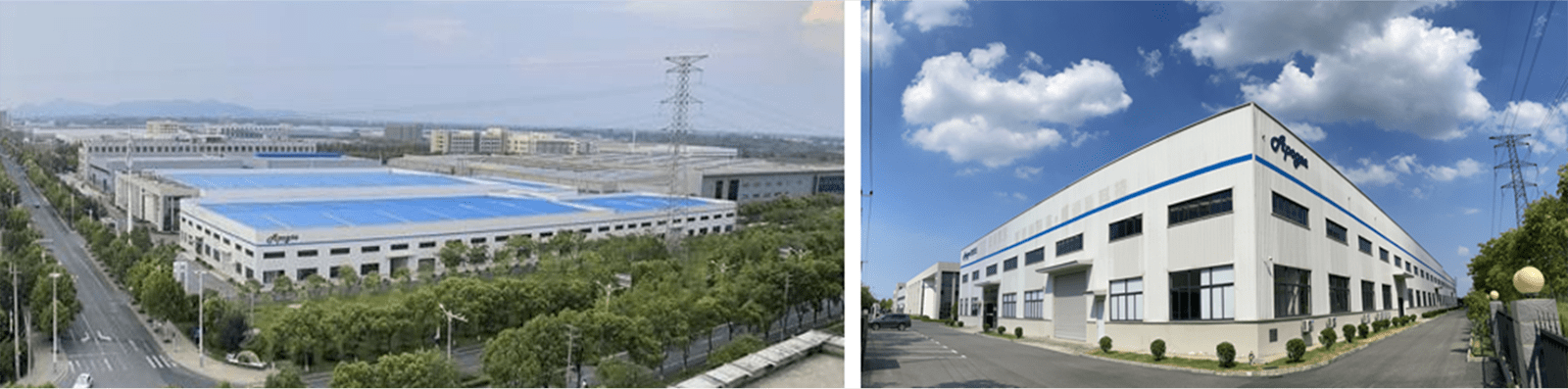
In 2022, we expanded to a new 10,000 sqm manufacturing base in Wuhu, with a capacity of 20,000 HVLS sets annually. Located just 45 minutes from Shanghai Hongqiao International Airport, we understand the aviation industry's needs better than anyone.
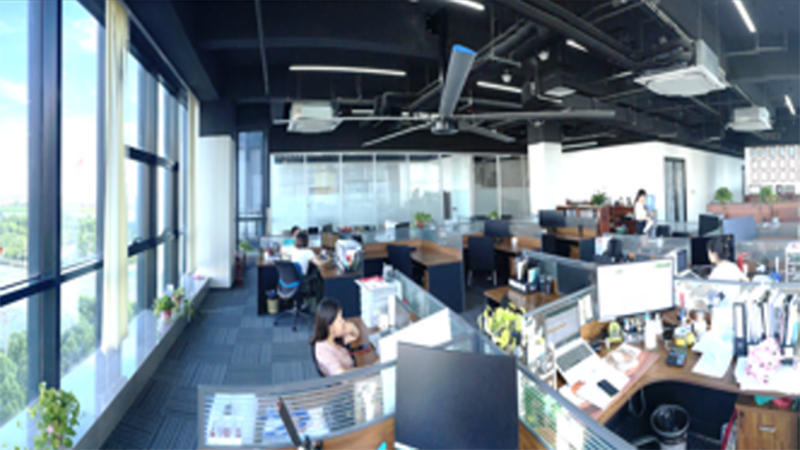
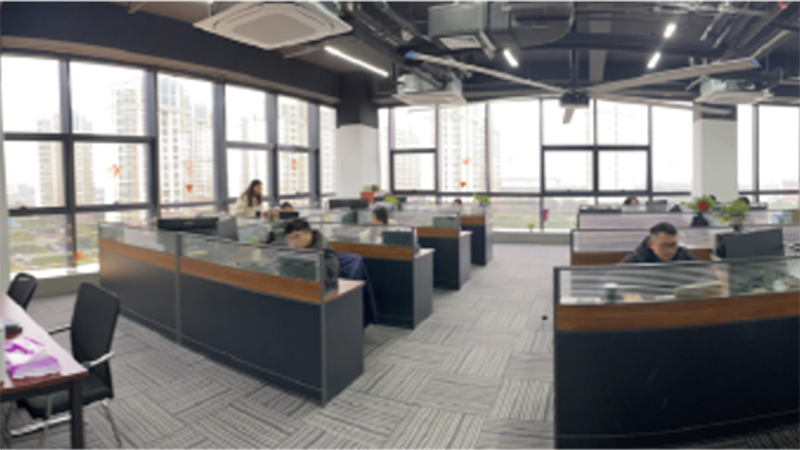
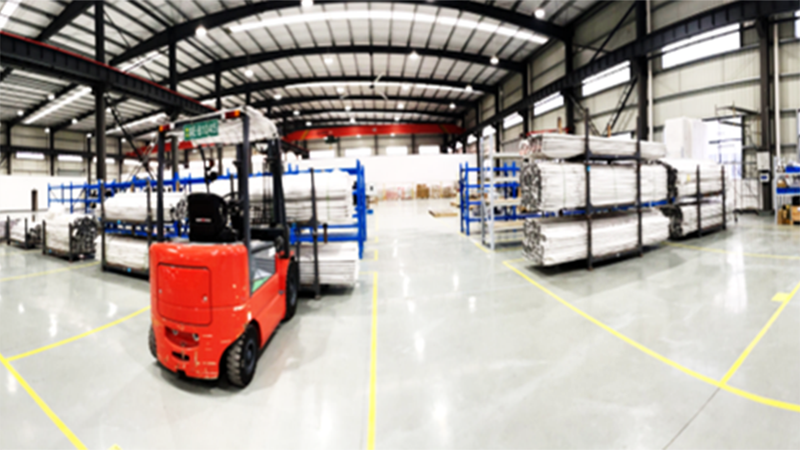
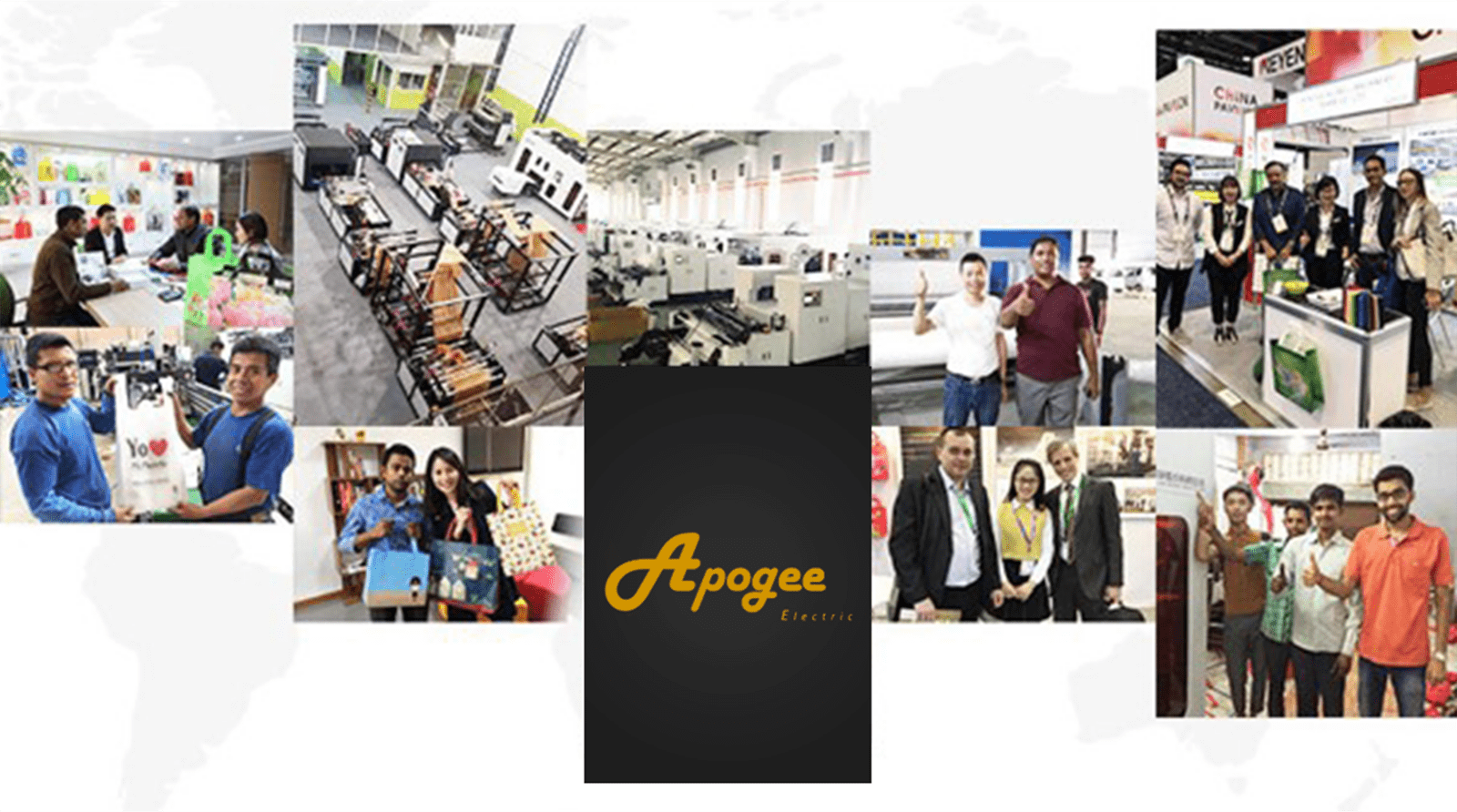
Factory Tour & Capability

Global Trust & Certified Excellence
Our Partners
Certifications

Explore Our Full Range of Airport Solutions
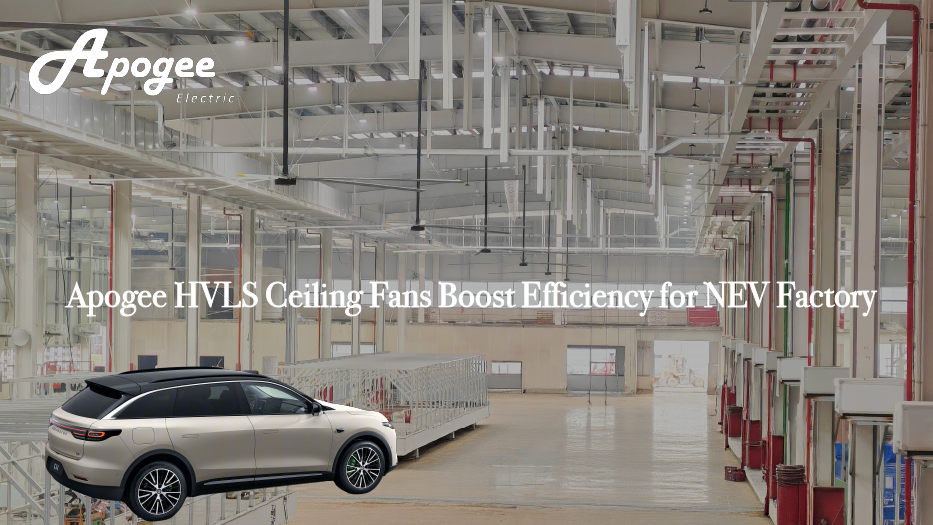 24ft Long Life HVLS Fan for Terminal Maintenance
 Large Space Ventilation for Airport Arrival Halls
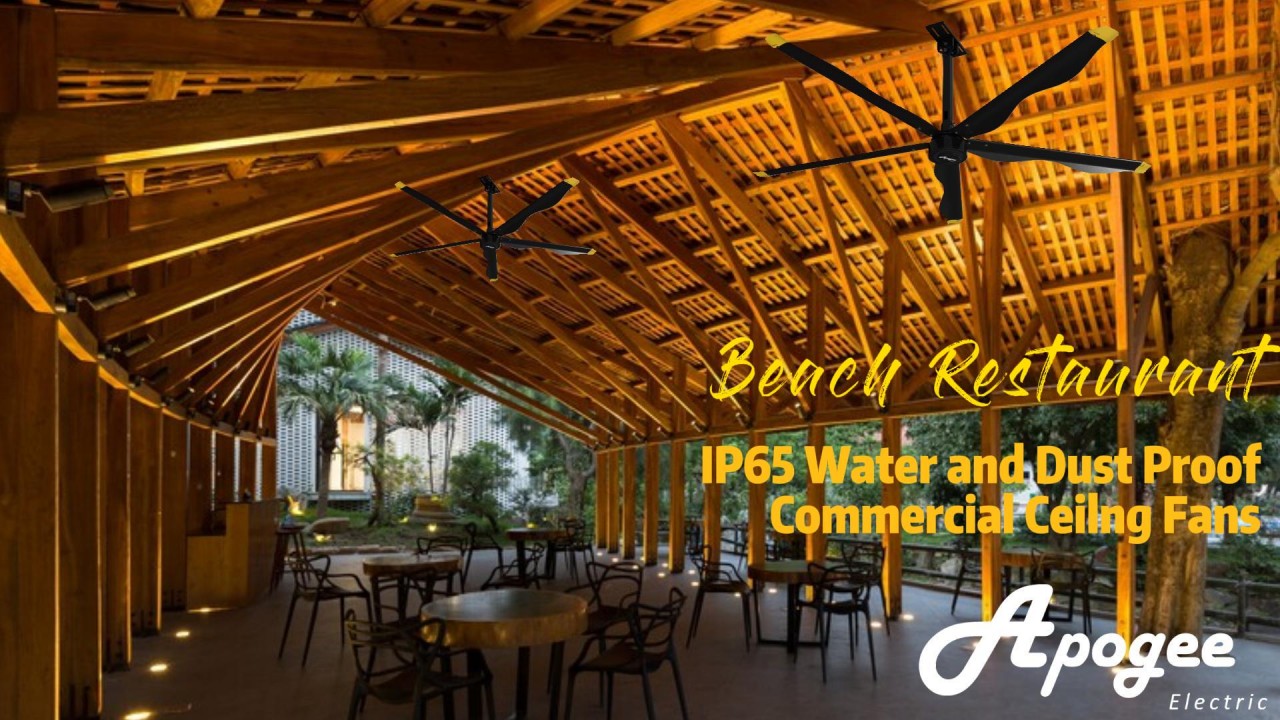 7.3m Commercial HVLS for Airport Retail Zones
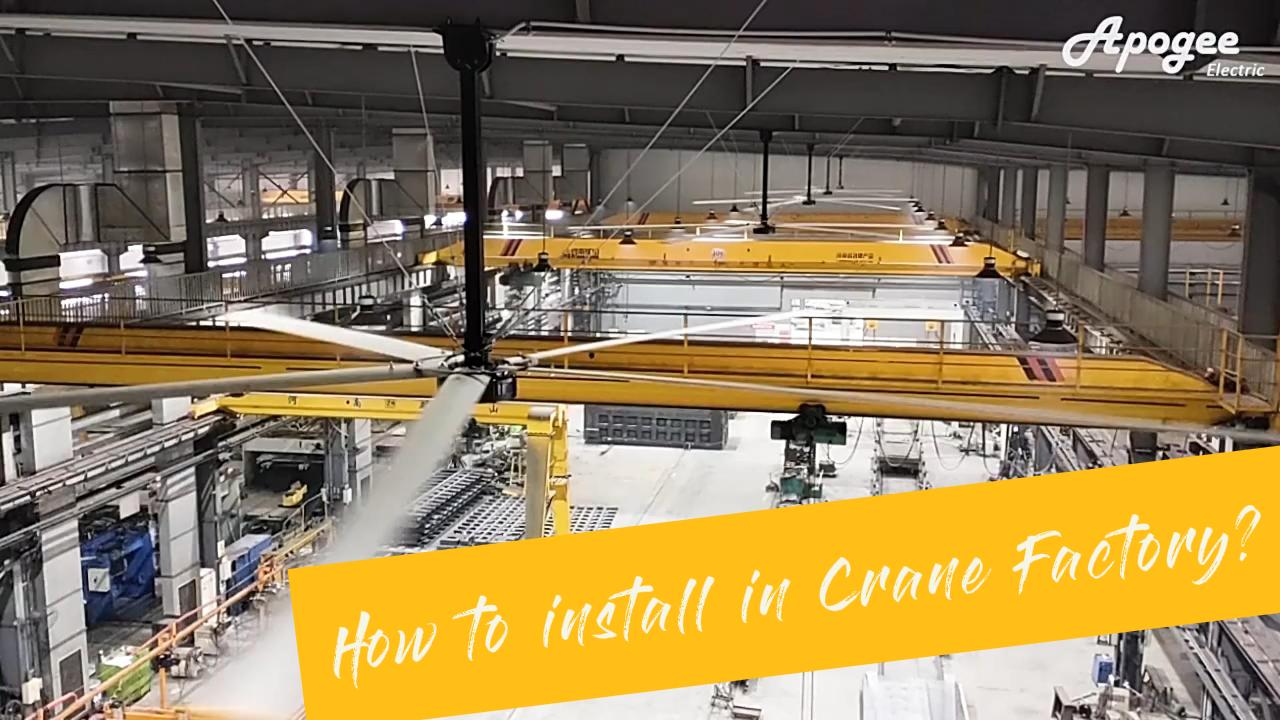 5 Blades Industrial Fans for Airport Workshops
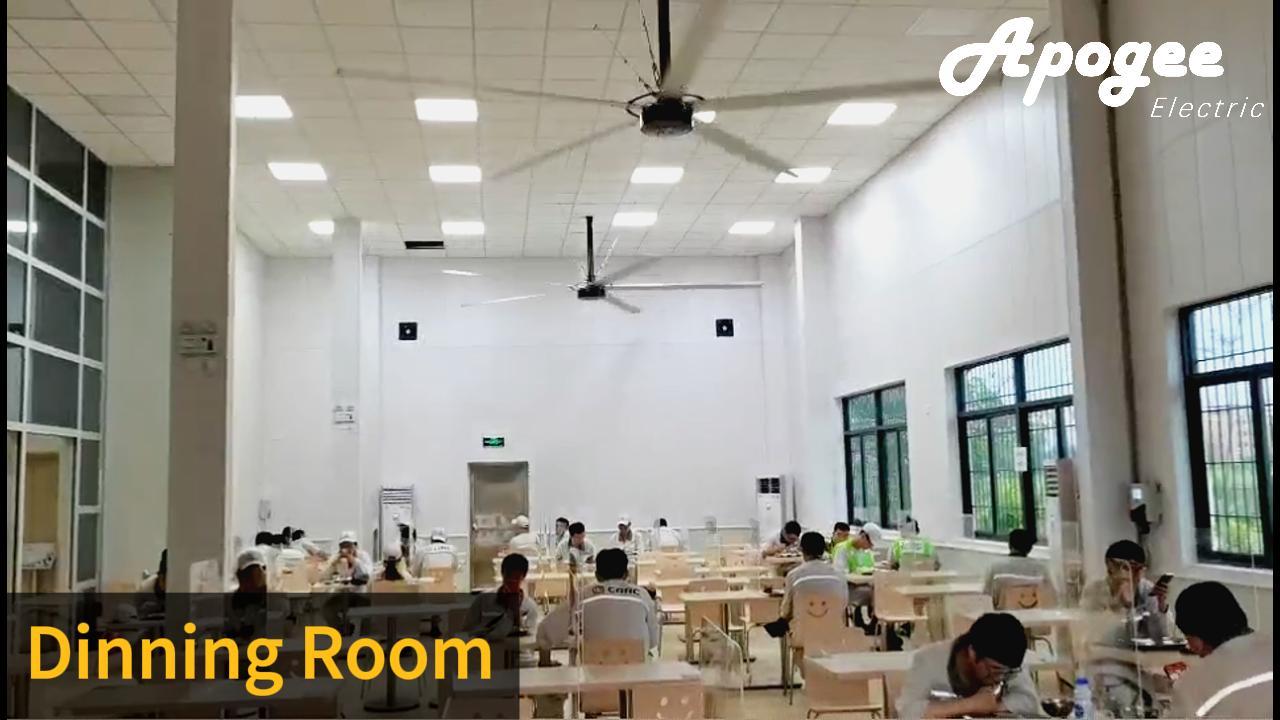 HVLS Big Ceiling Fan for Airport Food Courts
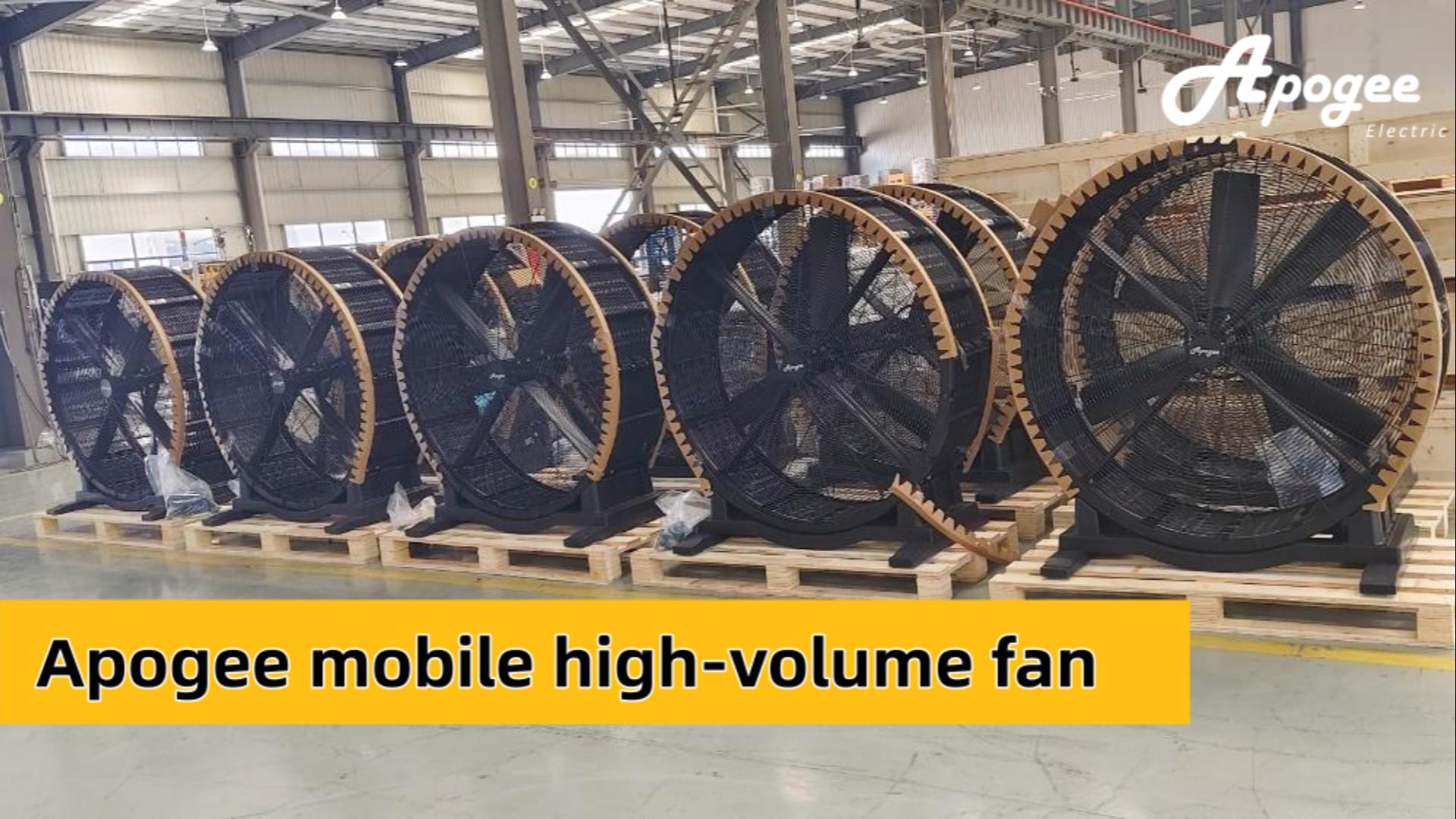 Mobile Industrial Fans for Airport Queuing Areas
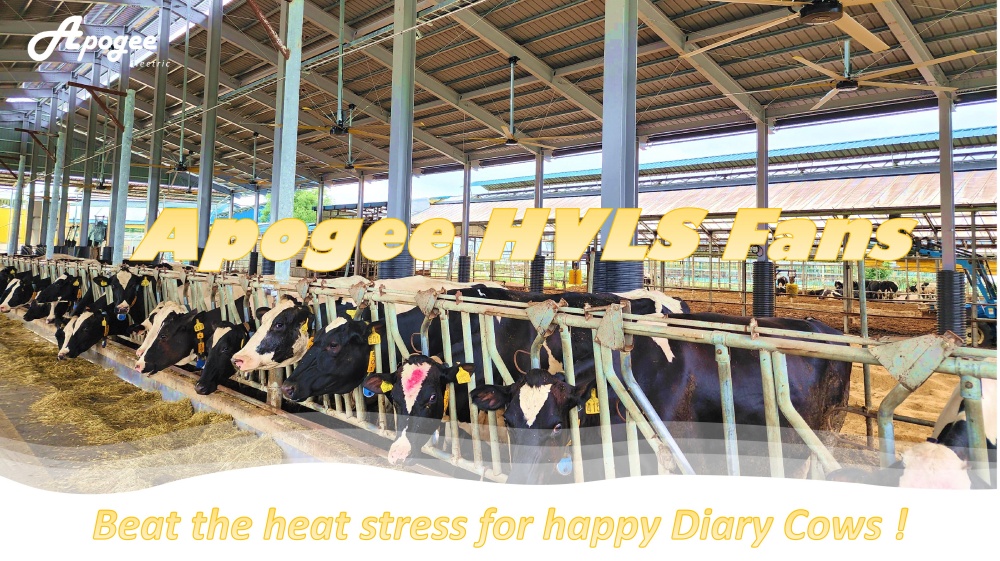 Low Noise Energy Saving Fans for Airport VIP Lounges
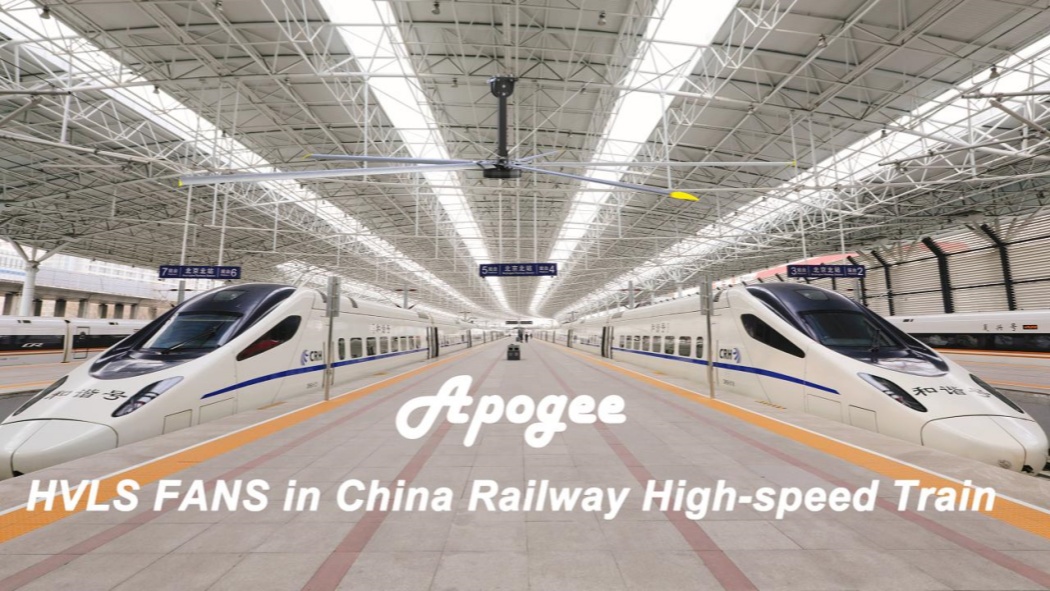 Waterproof HVLS Fan for Airport Cargo & Logistics
The Technical Superiority of Apogee HVLS Technology
When selecting "Warehouse Fans for Airport Terminals," technical specifications are paramount. Airports operate 24/7, meaning any equipment must have an extremely high MTBF (Mean Time Between Failures). Apogee's PMSM motors are designed for longevity. Unlike induction motors that rely on friction-heavy gearboxes, our PMSM systems are direct-drive. This eliminates the most common point of failure—the gearbox—and significantly reduces maintenance costs.
Acoustic Engineering for Public Spaces
One of the primary concerns in airport terminal design is acoustics. Terminal halls are already noisy with announcements, luggage wheels, and chatter. Adding industrial-grade fans could potentially exacerbate this. However, Apogee has engineered its fan blades using advanced aerodynamic profiles inspired by owl wings, which minimize air turbulence. The result is a fan that moves 13,000+ cubic meters of air per minute while maintaining a noise level below 38dB. This ensures that the fans provide comfort without disrupting the auditory environment of the terminal.
Safety First: Multi-Level Protection
In high-traffic public areas like airports, safety is non-negotiable. Apogee HVLS fans incorporate multiple safety features:
- Anti-Fall System: High-strength safety cables and hub-locking mechanisms prevent any component from falling in the unlikely event of a mechanical failure.
- Impact Detection: The motor controller can detect abnormal torque or sudden impacts, instantly shutting down the fan to prevent damage.
- Fire Alarm Integration: Our fans can be linked directly to the airport's fire suppression system, automatically stopping when a fire alarm is triggered to prevent the fanning of flames.
Environmental Impact and Sustainability
The aviation industry is under intense pressure to reduce its carbon footprint. Airports are massive energy consumers. By installing HVLS fans, airports can reduce their HVAC energy consumption by up to 30%. During the winter, these fans can be run in reverse to push warm air trapped at the ceiling back down to the floor (destratification), reducing heating costs. In the summer, they complement air conditioning, allowing the AC to be run at a higher temperature while maintaining the same level of perceived comfort for passengers.
Installation and Architectural Integration
Apogee understands that airport terminals are often iconic pieces of architecture. Our fans are available with customizable blade colors and hub designs, including the option to add airport logos or branding. Our engineering team provides full structural analysis for every installation, ensuring that the terminal's roof structure can safely support the dynamic loads of the fans. Whether it's a new build or a retrofit of an existing terminal, Apogee provides a seamless turnkey solution.
In conclusion, the use of Warehouse Fans for Airport Terminals is a strategic investment in passenger comfort, operational safety, and environmental responsibility. With Apogee’s cutting-edge PMSM technology and commitment to quality, we are proud to be the preferred choice for aviation hubs worldwide. From the check-in counter to the maintenance hangar, our fans are the invisible force making air travel a more pleasant and sustainable experience.