
Featured Agricultural HVLS Ventilation Systems
1. Commercial & Industrial Landscape of Agricultural Barn Ventilation
Modern agriculture is undergoing a profound structural shift. The paradigm of livestock management has transitioned from basic shelter provision to highly controlled environmental engineering. Central to this evolution is the deployment of the industrial ceiling fan for agricultural barns, specifically High-Volume, Low-Speed (HVLS) technology. As global ambient temperatures rise and extreme weather events become more frequent, agricultural facilities worldwide—ranging from modern dairy freestall barns to large-scale poultry housings and swine breeding facilities—face unprecedented microclimate management challenges.
Historically, agricultural facilities relied heavily on high-speed exhaust fans, box fans, or natural cross-ventilation. While high-speed fans generate localized air motion, they suffer from high energy consumption, severe noise pollution, narrow airflow coverage, and rapid mechanical degradation due to harsh barn environments laden with dust, ammonia, and moisture. Natural ventilation, on the other hand, leaves farms vulnerable to ambient heatwaves and stagnant air pockets, directly causing severe thermal stress in animals.
Today, the agricultural sector recognizes that thermal comfort is directly proportional to yield, profitability, and animal welfare compliance. HVLS industrial ceiling fans have emerged as the gold standard. By moving massive volumes of air at low rotational speeds, these giant fans create a continuous, gentle breeze (2 to 3 m/s) across thousands of square meters. This low-velocity air column disrupts the thermal boundary layer surrounding livestock, promoting efficient evaporative cooling without causing respiratory distress or stress induced by turbulence.
Reduces effective temperature by 4°C to 8°C, protecting cows, swine, and poultry from heat-induced metabolic drop.
Consumes up to 70% less energy compared to multiple traditional high-speed axial fans, yielding rapid ROI.
Continuous destratification dries bedding, mitigates bacterial growth, and dilutes harmful toxic gases like ammonia and methane.
2. Deep Application Scenario Analysis in Agricultural Facilities
Agricultural environments are structurally diverse and biologically complex. The deployment of an industrial ceiling fan for agricultural barns must account for specific animal physiology, building geometry, bedding types, and regional climatic variables.
Dairy Cow Barns & Freestall Housing
High-producing lactating dairy cows generate enormous internal metabolic heat. When the Temperature-Humidity Index (THI) exceeds 68, dairy cattle enter heat stress. This results in decreased Dry Matter Intake (DMI), drop in daily milk yield (up to 20-30%), lowered conception rates, and increased incidence of mastitis due to damp bedding.
By mounting 24ft PMSM HVLS fans directly above feeding alleys and resting stalls, air is driven vertically down to the floor, pushing outward in 360 degrees. This non-disruptive airflow cools cows while they feed and rest, encouraging longer lying times—a critical factor since every additional hour of resting time translates directly to increased milk production. Furthermore, constant floor-level velocity accelerates the drying of manure and sand/sawdust bedding, curtailing pathogen breeding.
Poultry & Avian Rearing Facilities
In intensive broiler and layer houses, air quality at animal height is crucial. Birds lack sweat glands and rely entirely on panting for evaporative heat loss. High humidity combined with elevated ambient temperatures can lead to catastrophic flock mortality within hours.
Industrial ceiling fans complement mechanical side-ventilation systems by eliminating air stagnation zones, particularly in wide or high-ceiling poultry structures. Continuous air motion breaks up dangerous thermal stratification layers where hot air accumulates near the roof line. Concurrently, it sweeps away hazardous concentrations of ammonia (NH3) emanating from litter, protecting poultry respiratory tracts and improving Feed Conversion Ratios (FCR).
Swine Breeding, Gestation & Farrowing Units
Swine are highly susceptible to heat distress due to their thick subcutaneous fat and limited functional sweat glands. Breeding sows under heat stress experience lower ovulation rates, smaller litter sizes, and poor lactation performance, which hurts piglet survival.
Installing variable-speed PMSM HVLS ceiling fans allows farm managers to finely calibrate wind speeds across gestation and fattening pens. During winter months, operating the fans at ultra-low speeds in reverse destratifies warm ceiling air back down to piglet level without creating chill-inducing drafts. In summer, high-volume displacement creates a cooling breeze that prevents heat exhaustion among breeding sows.
Hay Storage, Feed Mills & Agricultural Greenhouses
Beyond animal husbandry, agricultural barn fans play a vital structural role in crop and feed preservation. High ambient humidity within grain stores or hay barns causes spontaneous condensation, mold proliferation, and mycotoxin formation, ruining costly animal feed supplies.
HVLS fans provide continuous bulk air turnover across large storage volumes. Equalizing temperature differential between the indoor air mass and external roof cladding eliminates condensation dripping (sweating roof syndrome), preserving feed quality and maintaining ideal structural integrity of timber and steel farm buildings.
3. Technological Evolution: Permanent Magnet Synchronous Motors (PMSM)
The core innovation driving modern industrial ceiling fans for agricultural barns lies in drive-train technology. Traditional HVLS fans relied on asynchronous induction motors coupled with mechanical reduction gearboxes. While functional, gearbox-driven fans present severe drawbacks in agricultural environments: frequent oil seal leaks (risking contamination of feed or livestock below), mechanical gear wear, high maintenance costs, low efficiency at partial loads, and substantial operational noise.
The introduction of PMSM (Permanent Magnet Synchronous Motor) Direct Drive Technology has revolutionized agricultural ventilation. By directly coupling the fan hub to a high-torque motor powered by rare-earth neodymium magnets, mechanical energy loss is virtually eliminated.
Apogee Electric: Pioneering Agricultural & Industrial HVLS Solutions
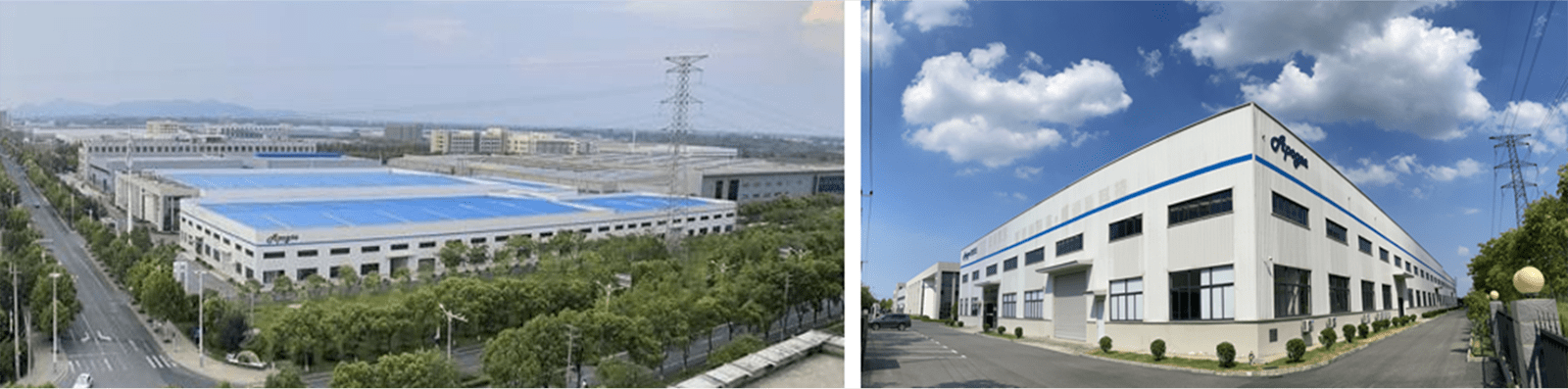
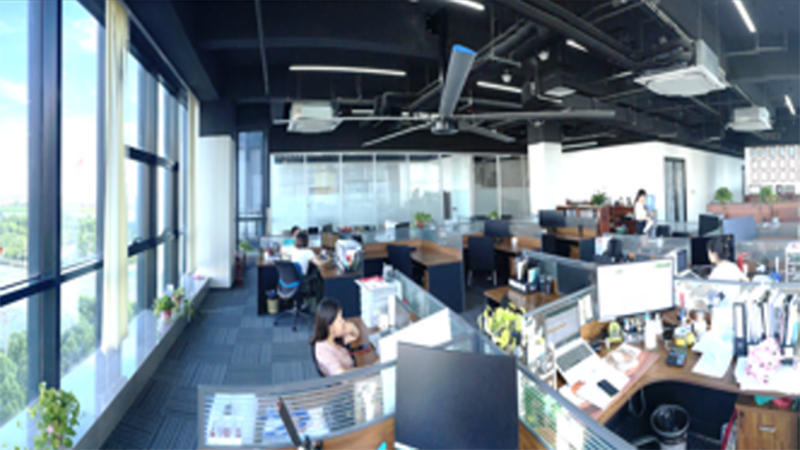
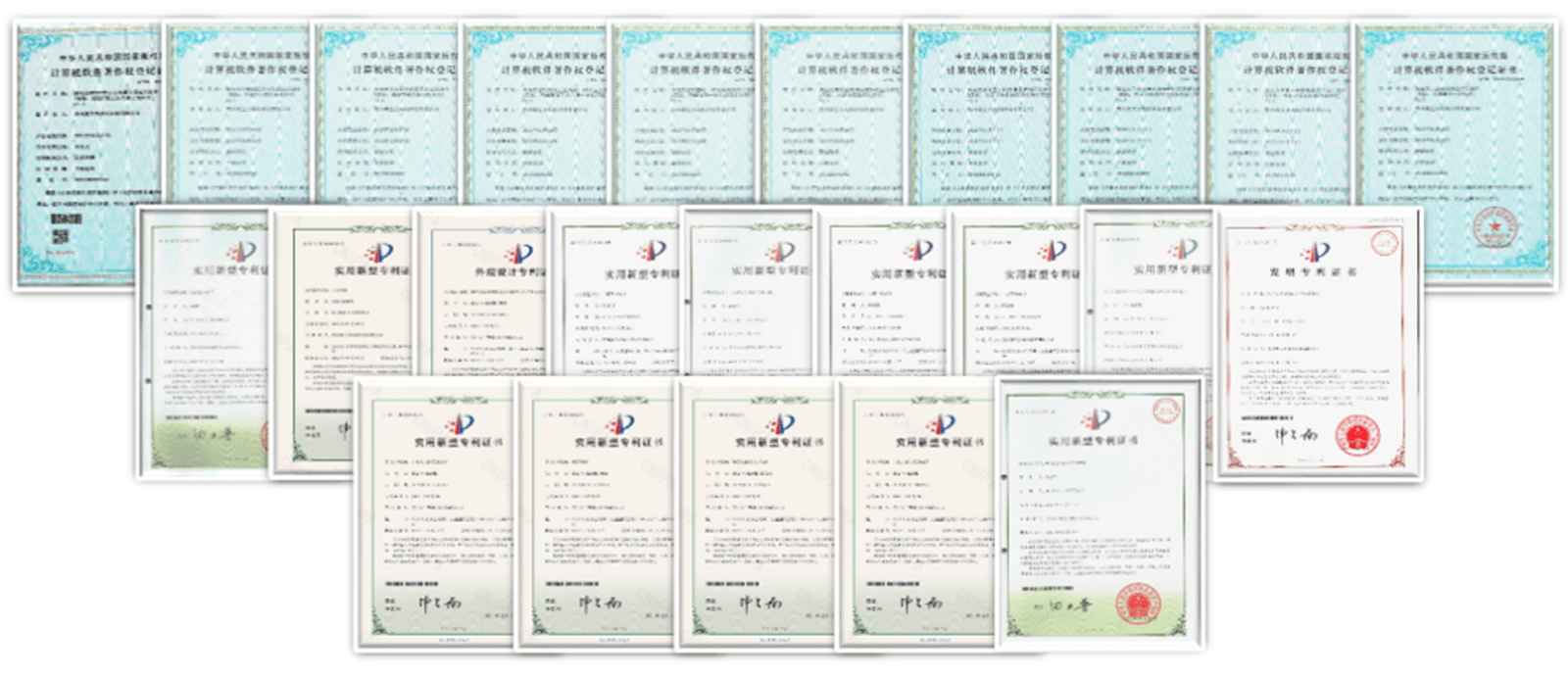
Apogee Electric was established in 2012, awarded with national Innovative and high-tech enterprise certificate, we have PMSM motor and motor control core technology, The company is an ISO9001 certified company and has more than 40 intellectual property rights for PMSM motor, motor driver, and HVLS FAN.
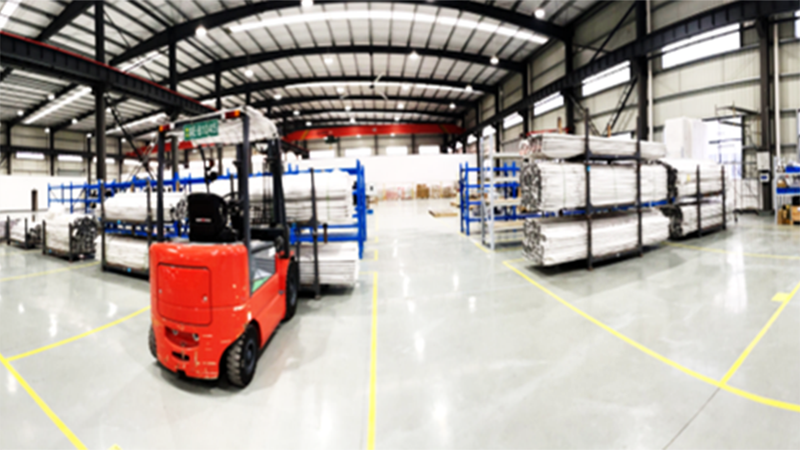
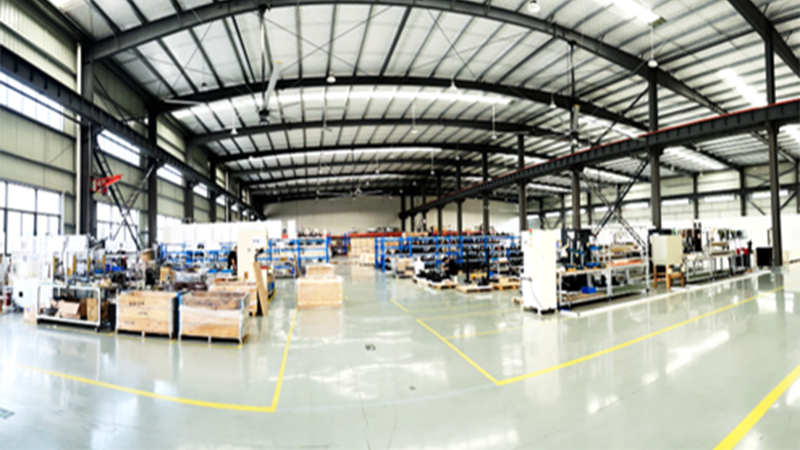
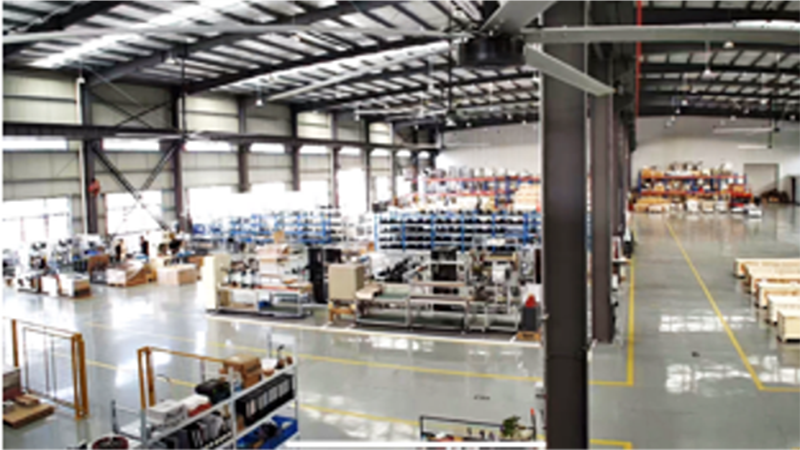
In 2022, we established a new manufacturing base in Wuhu city, over 10,000 sqm, the production capacity can reach 20K sets HVLS Fans and 200K PMSM motor and control systems. We’re the leading HVLS fan company in China, we have more than 200 people, dedicated in developing and manufacturing HVLS fans, cooling and ventilation solutions. Apogee PMSM Motor technology brings small size, light weight, energy saving, smart control to enhance product value. Apogee is located in Suzhou, 45 minutes away shanghai Hongqiao international airport. Welcome to visit us and become Apogee customers!
5. Return on Investment (ROI) & Economic Impact for Barn Owners
Investing in an industrial ceiling fan for agricultural barns is not merely an operational cost—it is a high-return capital investment directly contributing to farm revenue. Evaluating the ROI requires looking at both direct energy savings and indirect biological productivity gains.
Direct Operating Savings
- Low Power Draw: A single 24ft PMSM fan consumes only ~1.1 to 1.5 kW per hour while covering over 1,500 square meters, replacing up to 10-12 standard 0.75kW box fans.
- HVAC Synergy: Complements existing evaporative cooling pads or fogging systems by evenly distributing micro-droplets without wet spots.
- Reduced Maintenance: Gearless PMSM motor design eliminates oil change downtime, gear replacement parts, and technician labor fees.
Indirect Biological Yield Gains
- Milk Preservation: Mitigates summer milk production slumps of 2 to 5 kg per cow/day during hot summer peaks.
- Improved Mortality & Growth: Lowers poultry summer mortality rates by up to 40% and maintains consistent average daily weight gain (ADG) in swine.
- Lower Veterinary Costs: Drier bedding decreases somatic cell count (SCC) in milk and prevents hoof rot and respiratory ailments.
6. Future Trends: Smart IoT Controls & Automated Climate Management
The future of agricultural barn climate control is rooted in automation and digital sensor integration. Modern farming operations are shifting toward intelligent microclimate management networks where industrial ceiling fans interact dynamically with ambient environmental sensors.
Apogee Electric’s advanced PMSM fan controller systems can be seamlessly tied into centralized farm management platforms via Modbus, BACnet, or wireless IoT protocols. Temperature-Humidity Index (THI) sensors installed at cow or poultry height feed live climate metrics into the variable frequency drive (VFD). As THI levels rise, the HVLS fan dynamically adjusts its RPM, maintaining optimal air velocity without manual farm labor intervention.
Furthermore, intelligent reverse-rotation functionality enables automated winter thermal destratification schedules. By drawing cold floor air upward and gently pushing trapped heat down from the roof trusses, heating costs in piglet nurseries or poultry brooding houses can be reduced by 20% to 30%, completing a holistic year-round climate management solution.
Manufacturing Base & Facility Showcase


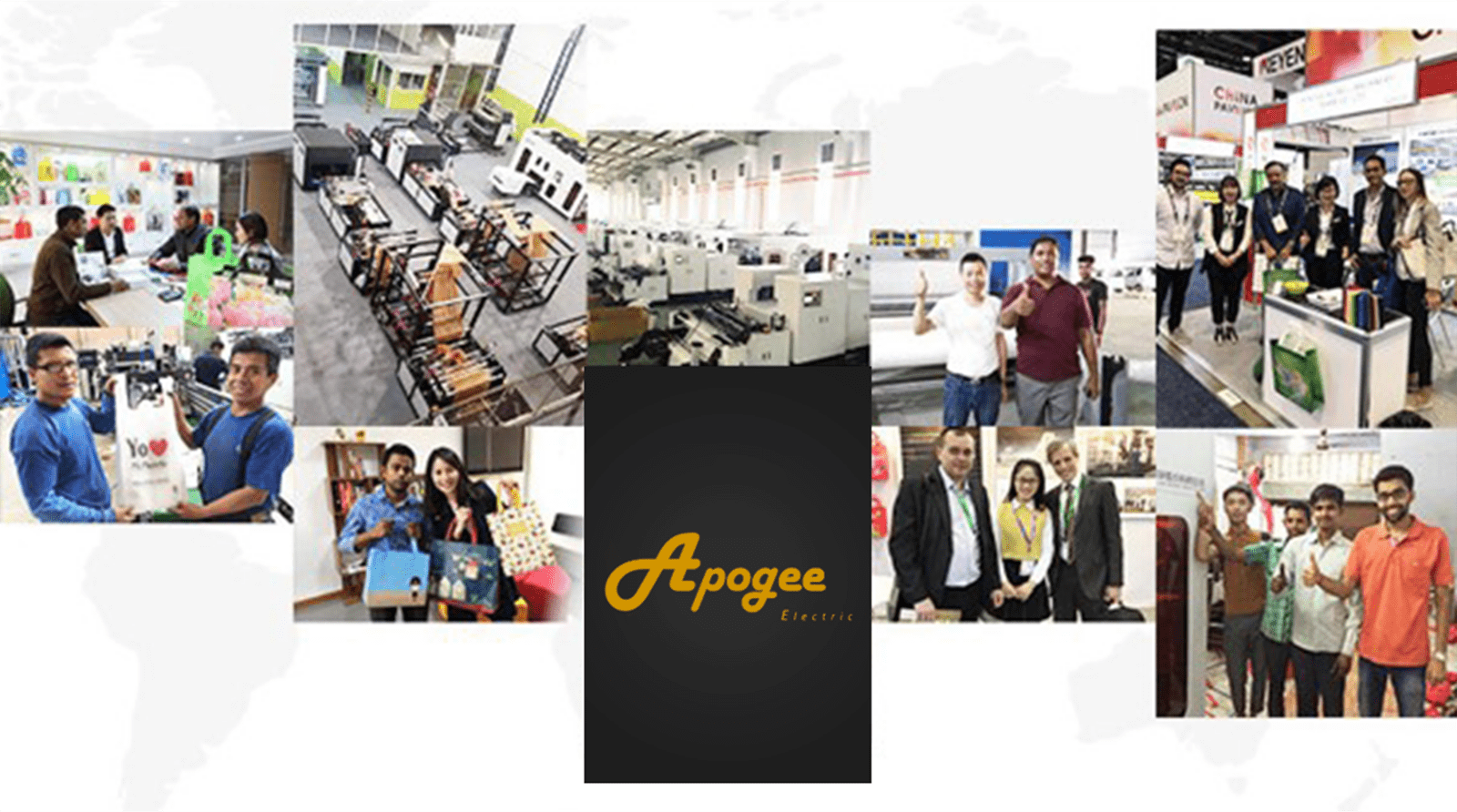
Our Global Partners
Certificates & Intellectual Property
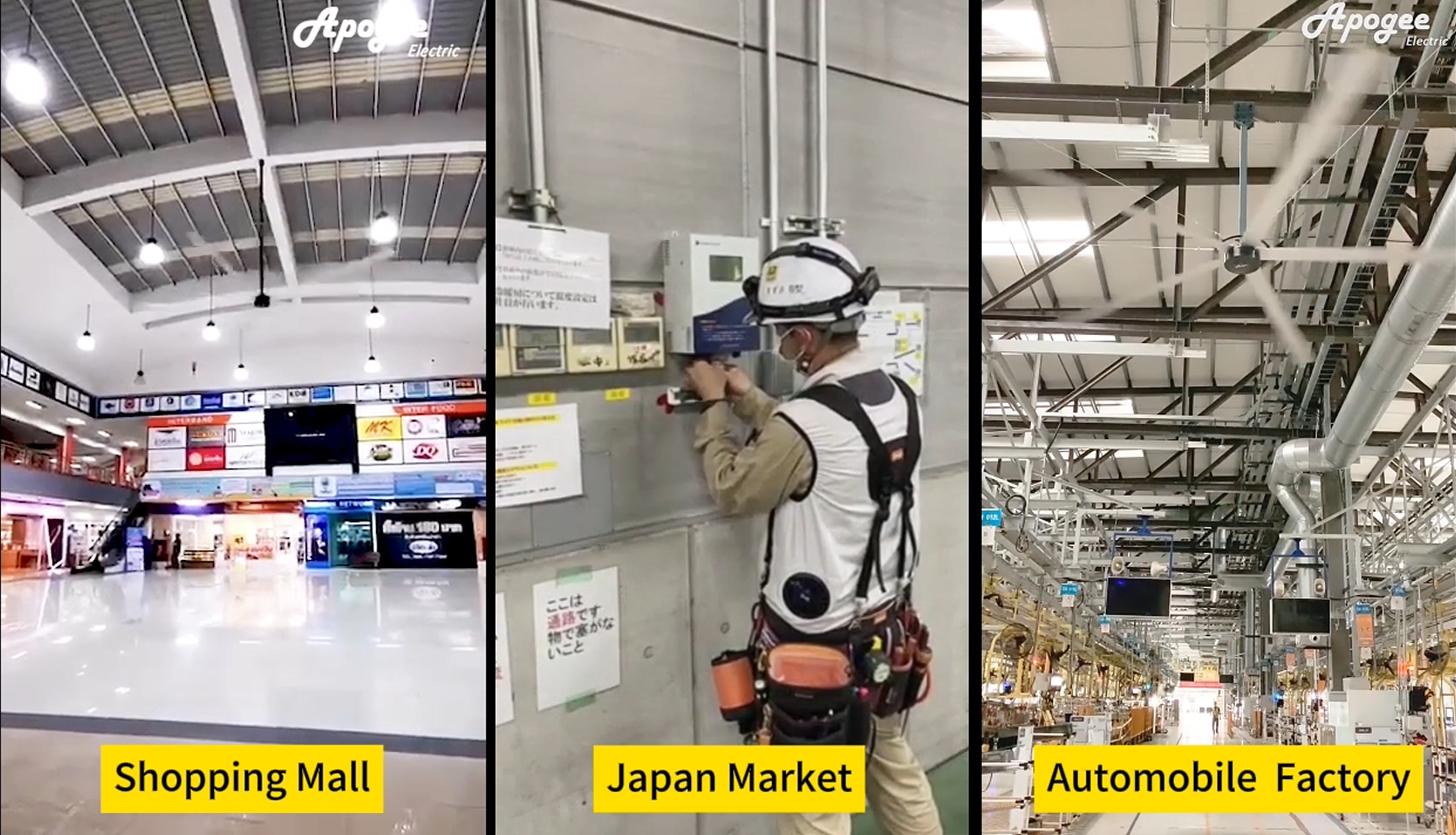
Explore Complete Industrial HVLS Fan Series
24ft Industrial Ceiling Fans PMSM Motor 5 Blade Big HVLS Fan Commercial
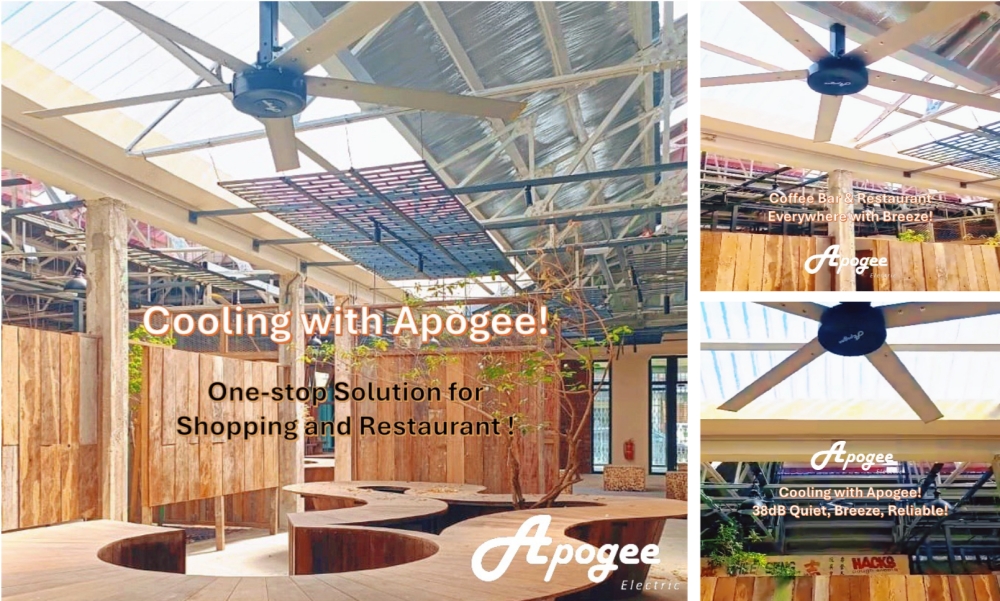
7.3m Commercial HVLS Ceiling Fan Malaysia Shopping Mall
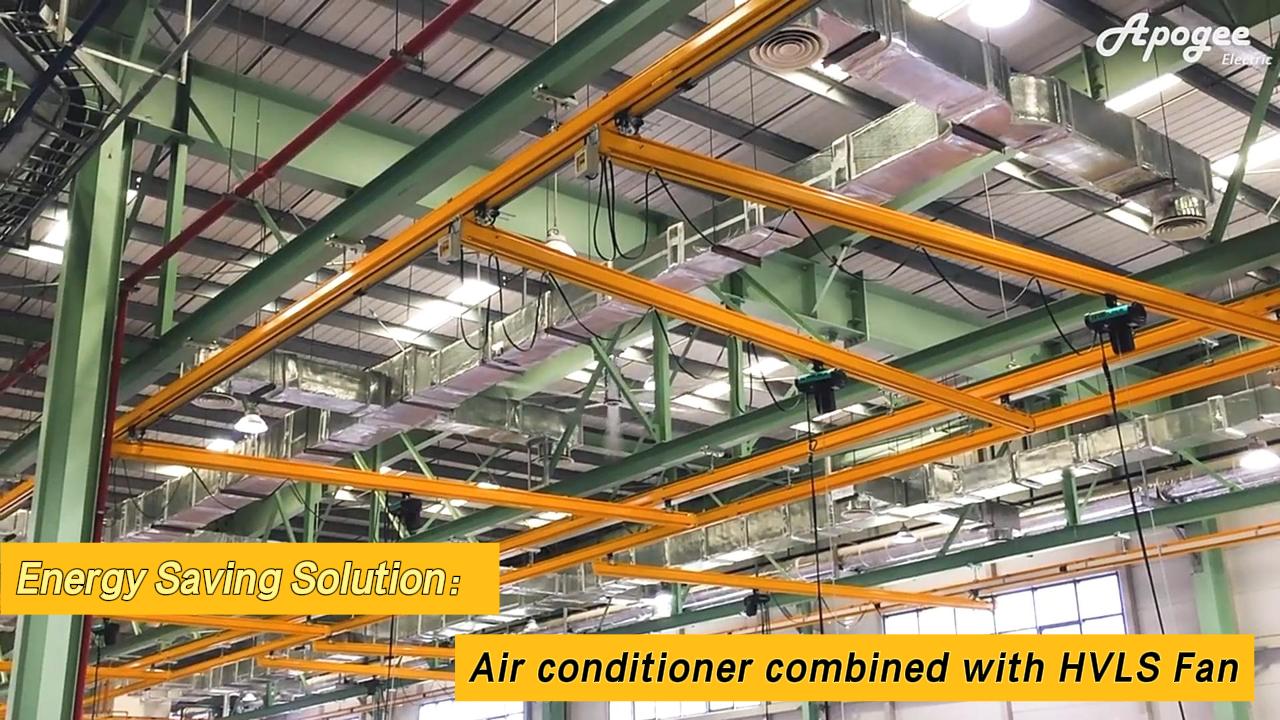
Good Cooling and Air Circulation 24ft Big Size Ceiling Fan in Thailand
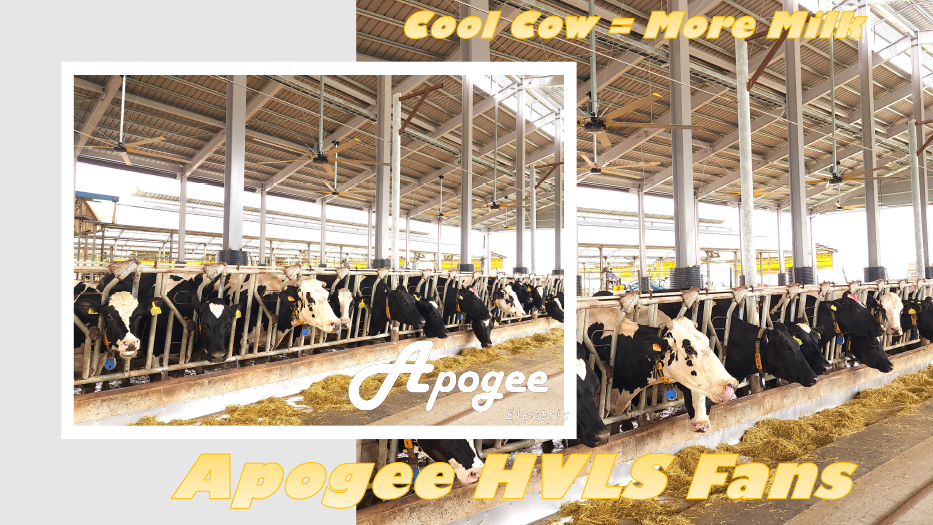
Big Industrial HVLS Fans Ceiling for Cow Farm with Energy Saving Motor
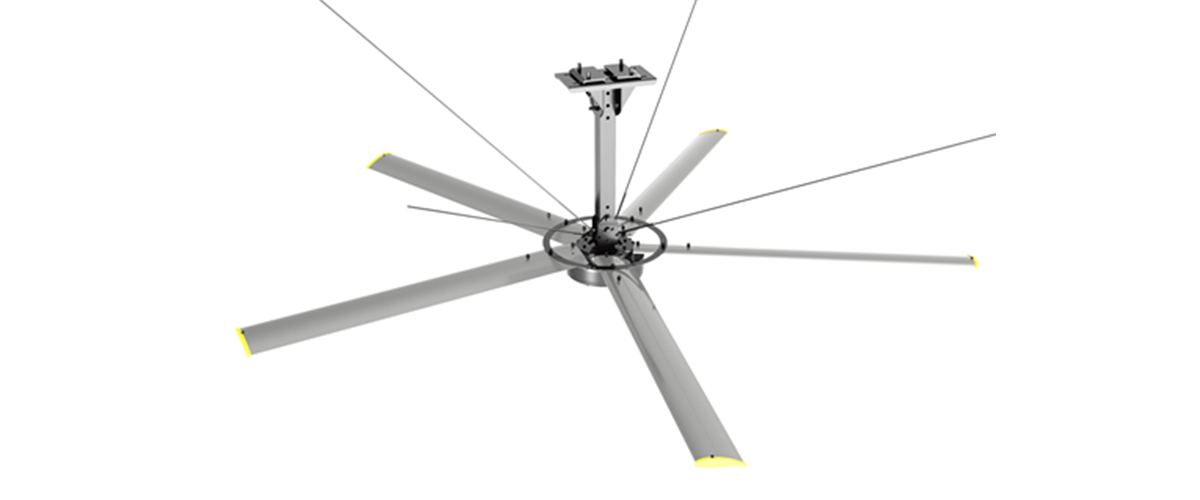
HVLS Fan - DM Series with PMSM Motor
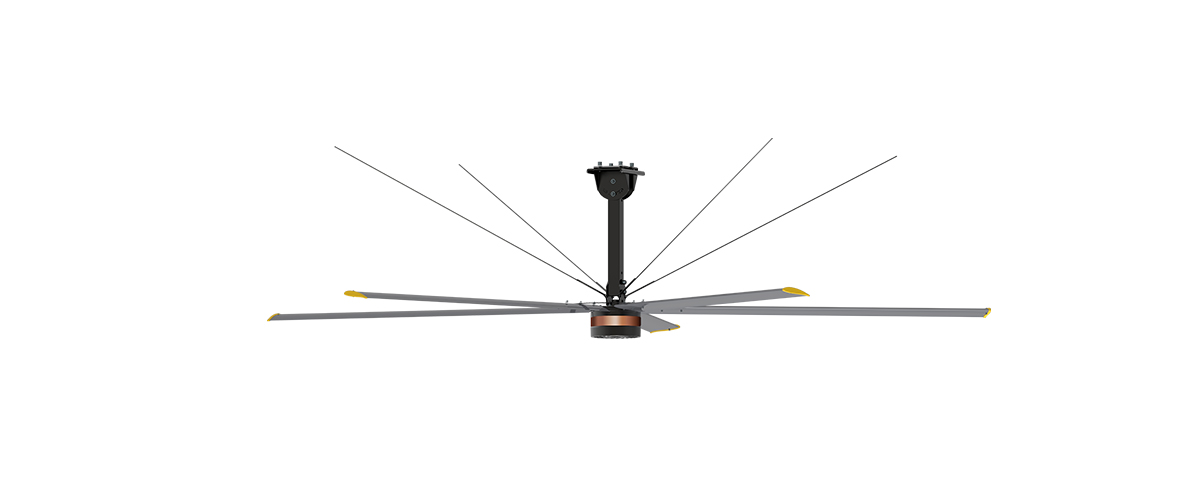
Commercial HVLS Fan - CDM Series
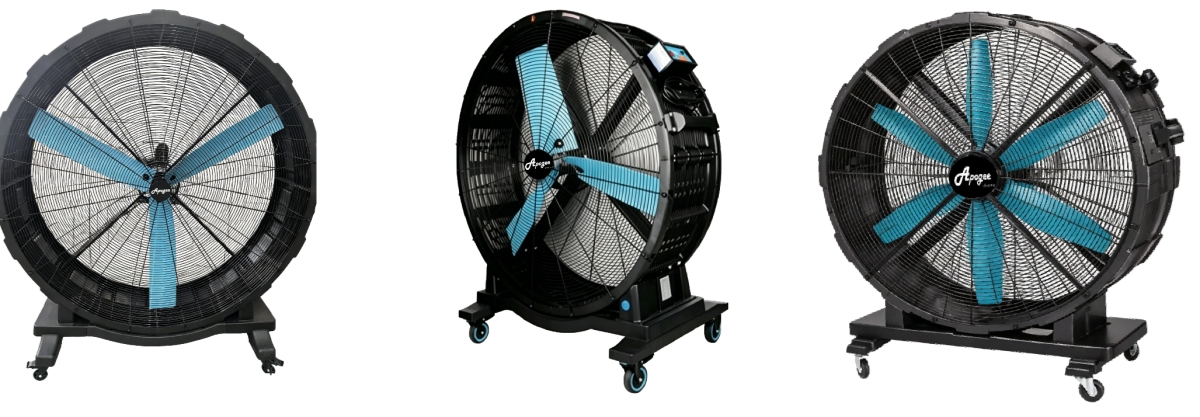
Portable Fan – MDM Series
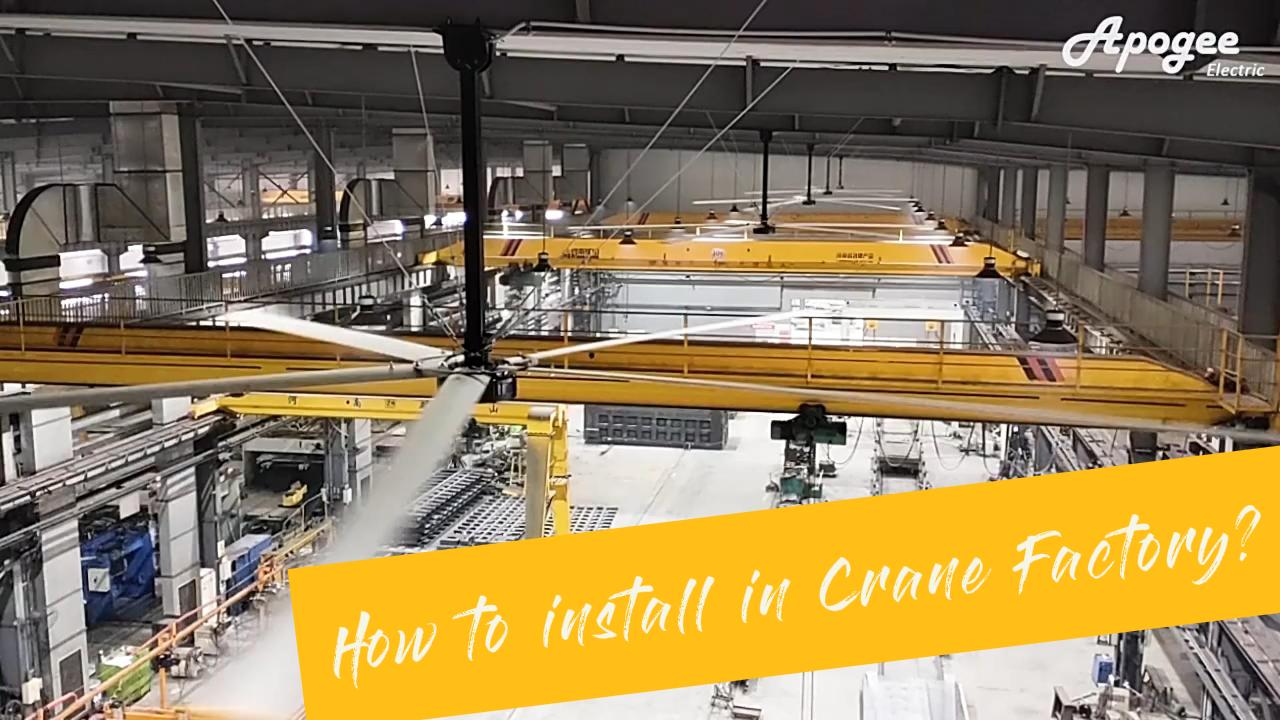
5 Blades Large Size Hvls Industrial Ceiling Fans For Workshop