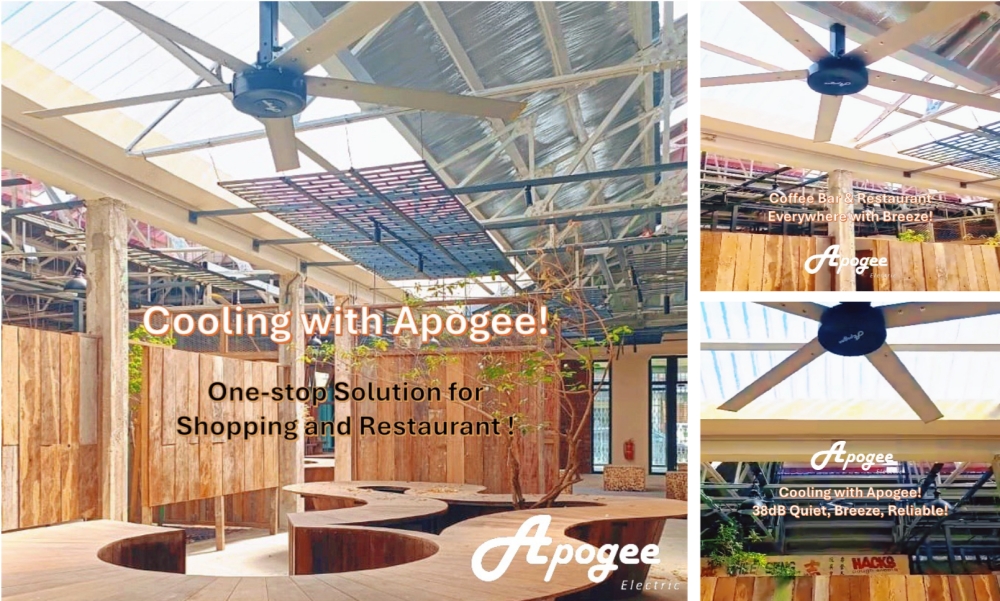
Top Commercial Fans for Large Retail Stores
The Evolution of Commercial Fans in Large Retail Stores
Modern large-format retail spaces—ranging from massive hypermarkets, big-box membership clubs, and department stores to multi-level shopping centers—face unprecedented challenges in managing microclimates, maintaining customer thermal comfort, and curbing astronomical utility expenditures. Modern retail facilities feature high ceilings spanning anywhere from 5 meters to over 15 meters, expansive open floor plans, wide customer aisles, continuous artificial lighting, and heavy foot traffic. These structural characteristics create complex environmental control issues, such as thermal stratification, hot spots near sunlit skylights or glass facades, cold draft zones near refrigeration aisles, and localized humidity build-up.
Historically, commercial facilities relied exclusively on conventional Heating, Ventilation, and Air Conditioning (HVAC) systems paired with small high-speed commercial fans. However, traditional ceiling or wall fans generate turbulent, high-velocity airflow across narrow corridors, creating noise pollution exceeding 65 decibels while failing to thoroughly mix large atmospheric volumes. Today, the commercial building management paradigm has shifted toward High-Volume Low-Speed (HVLS) Commercial Fans. By moving tremendous columns of air at slow rotational speeds, commercial HVLS fans engineered specifically for large retail stores produce a gentle, continuous three-dimensional horizontal breeze that mimics natural air currents. This process eliminates stagnant air pockets, balances indoor temperatures, improves indoor air quality (IAQ), and dramatically slashes HVAC compressor loads by up to 30%.
Up to 30% Energy Savings
Reduces HVAC operational overhead by destratifying warm ceiling air in winter and enhancing evaporative cooling in summer.
Ultra-Quiet 38dB Operation
Permanent Magnet Synchronous Motors (PMSM) guarantee gearless, whisper-quiet operation without distracting shoppers.
Enhanced Shopper Comfort
Delivers a continuous breeze (1–2 m/s air velocity) across expansive aisles, extending customer dwell time and basket size.
Smart BMS Integration
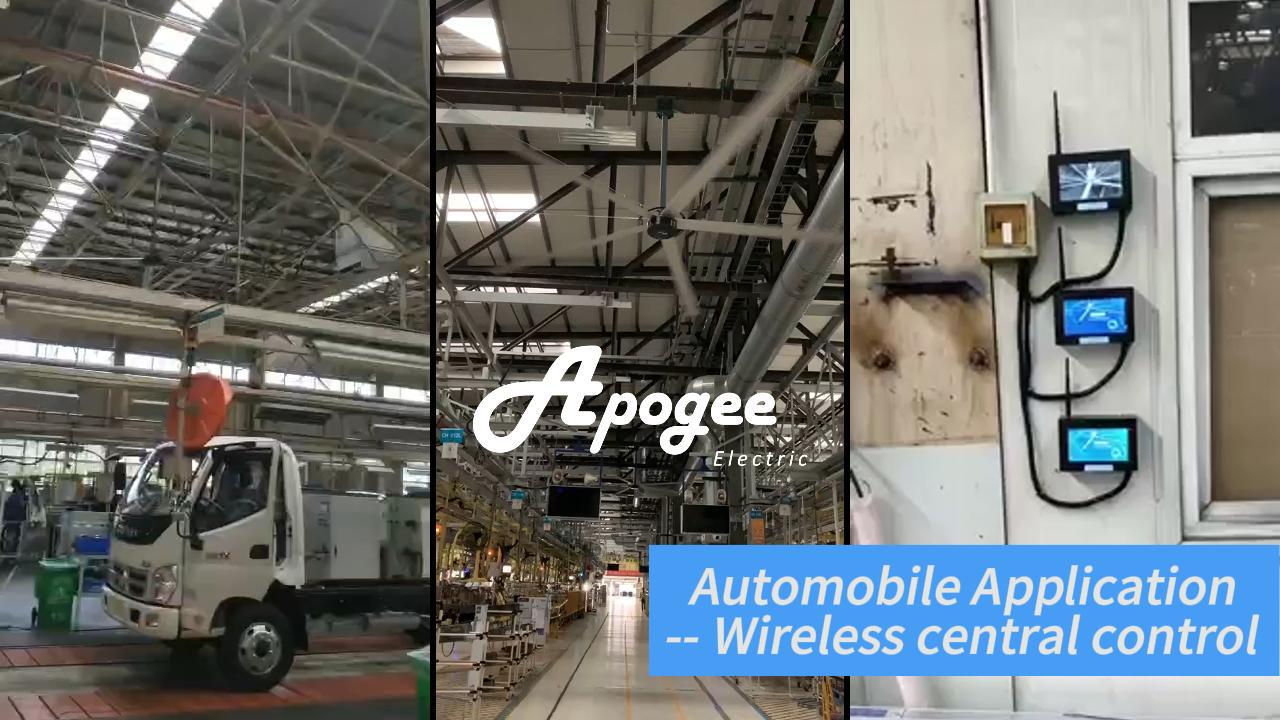
Intelligent central controls seamlessly connect with Building Management Systems (BMS) via Modbus/RS485 communication protocols.
Deep-Dive Application Scenes in Large Retail Environments
The application of commercial ceiling fans in large-scale retail environments requires custom engineering to match distinct architectural layouts, retail categories, and internal microclimates. Unlike uniform industrial warehouses, retail spaces present heterogeneous thermal zones that require precise airflow management.
1. Hypermarkets and Supercenter Grocery Aisles
In hypermarkets housing massive refrigerated display cases and open freezer banks, a common phenomenon known as "cold-aisle syndrome" occurs. Heavy, refrigerated air leaks out of cold storage cases into customer walkways, creating unpleasant cold zones while forcing primary HVAC units to work over-capacity. Installing direct-drive PMSM commercial HVLS fans overhead circulates warmer upper-level air down into floor aisles. This continuous circulation prevents frost build-up on display glass, standardizes ambient temperatures across dry goods and fresh produce zones, and ensures customers browse comfortably throughout the entire facility without feeling localized chills.
2. Big-Box Membership Warehouse Clubs
Big-box stores feature soaring steel-truss ceilings reaching heights of 8 to 14 meters, with high-density vertical racking systems. Air near the roof line can be up to 10°C to 15°C warmer than floor level during winter due to natural thermal stratification. Commercial fans designed for large retail stores effectively destroy this vertical temperature gradient. By driving warm air downward, these fans equalize room air from floor to ceiling, substantially reducing winter heating fuel consumption. In summer, the convective breeze created across wide main concourses delivers a cooling sensation of 4°C to 6°C to customers and store associates alike.
3. Shopping Mall Atriums and Multi-Level Concourses
Architectural shopping malls with glass skylights, vertical multi-tier concourses, and sprawling central atriums absorb vast amounts of solar radiation. Heat rapidly accumulates under vaulted ceilings, creating intense thermal discomfort on top floors while ground floors demand excessive air conditioning. Sleek, aesthetically streamlined commercial HVLS fans placed in central multi-story openings continuously redistribute rising thermal energy, ensuring harmonious temperature distributions across all store levels without creating distracting visual clutter or noisy mechanical hums.
4. Commercial Retail Food Courts and Dining Pavilions
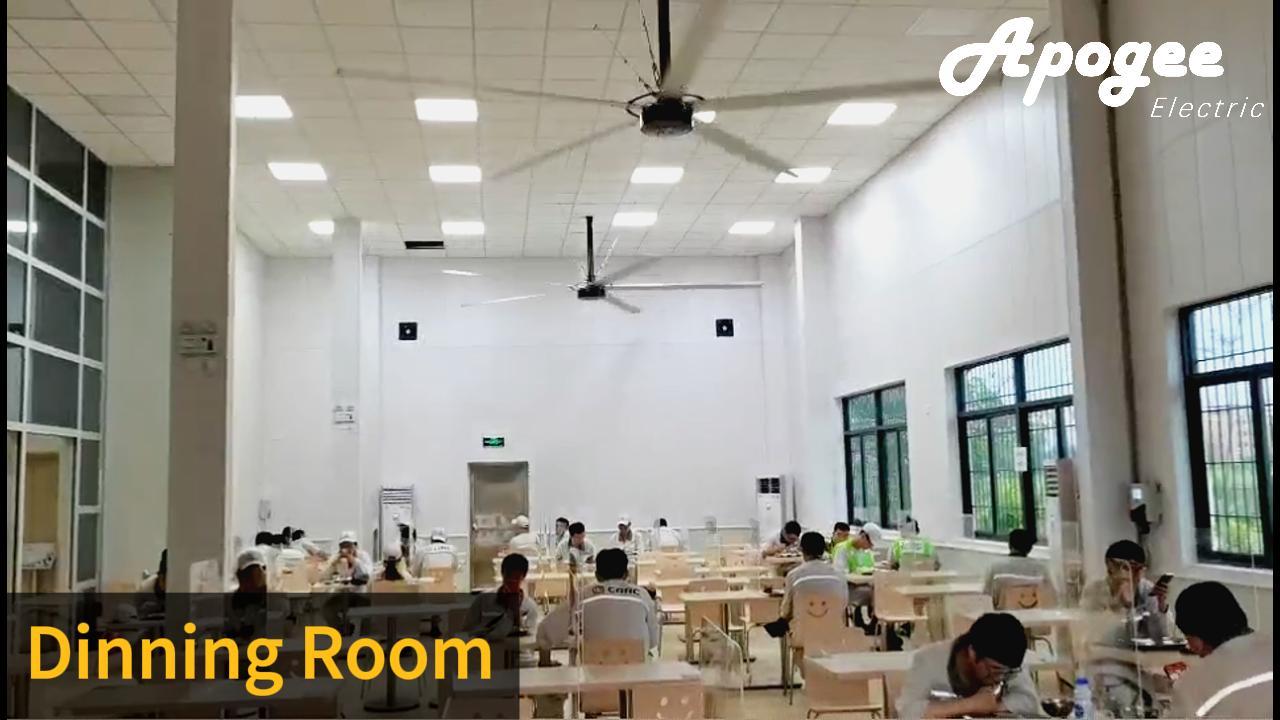
Retail food court environments face high moisture loads, grease-laden cooking air, concentrated food odors, and dense human occupancy. High-volume commercial ceiling fans promote continuous air turnover, preventing steam accumulation and airborne grease stagnation while assisting exhaust hood efficiency. Operating quietly at sub-38dB sound levels, these fans create a pleasant dining microclimate that encourages patrons to relax and prolong their overall retail stay.
Commercial Air Circulation System Comparison
| Performance Parameters | Apogee PMSM HVLS Commercial Fan | Traditional Gearbox HVLS Fan | Conventional High-Speed Small Fans |
|---|---|---|---|
| Operating Noise Level | Very Quiet (≤ 38 dB) | Moderate to High (55 - 65 dB) | High (65 - 75 dB) |
| Energy Efficiency (IE Rating) | IE4 / Direct Drive (Ultra-High Efficiency) | IE2 / IE3 (Mechanical Friction Loss) | Low Standard Motor Efficiency |
| Maintenance Requirement | Zero Maintenance (No Oil Replacement) | Regular Gear Oil Change & Seals | Frequent Motor Replacement |
| Air Delivery Coverage | Extremely Large (Up to 1,500 m²) | Large (Up to 1,200 m²) | Localized Spot Cooling (50 - 100 m²) |
| Aesthetic Integration | Sleek, Modern Tech Profile for Retail | Bulky Industrial Look | Cluttered Multiple Units |
Technical Breakthroughs: PMSM Technology & Aerodynamics
The key performance driver in next-generation commercial fans for large retail stores lies in the motor architecture. Traditional industrial fans rely on asynchronous induction motors coupled with mechanical reduction gearboxes. While functional in heavy industrial plants, gearbox fans present severe drawbacks for retail store installation: mechanical gear chatter, potential gear oil leak hazards over retail merchandise, high energy consumption, and high weight loads requiring reinforced ceiling supports.
Permanent Magnet Synchronous Motor (PMSM)
Direct-drive PMSM technology eliminates the gearbox entirely. Utilizing high-coercivity rare-earth permanent magnets, PMSM motors achieve up to 96% energy conversion efficiency. Heat generation is virtually non-existent, eliminating the need for cooling fins and resulting in a sleek, lightweight form factor ideal for modern retail architecture.
Advanced Airfoil & Aerodynamic Blade Profiles
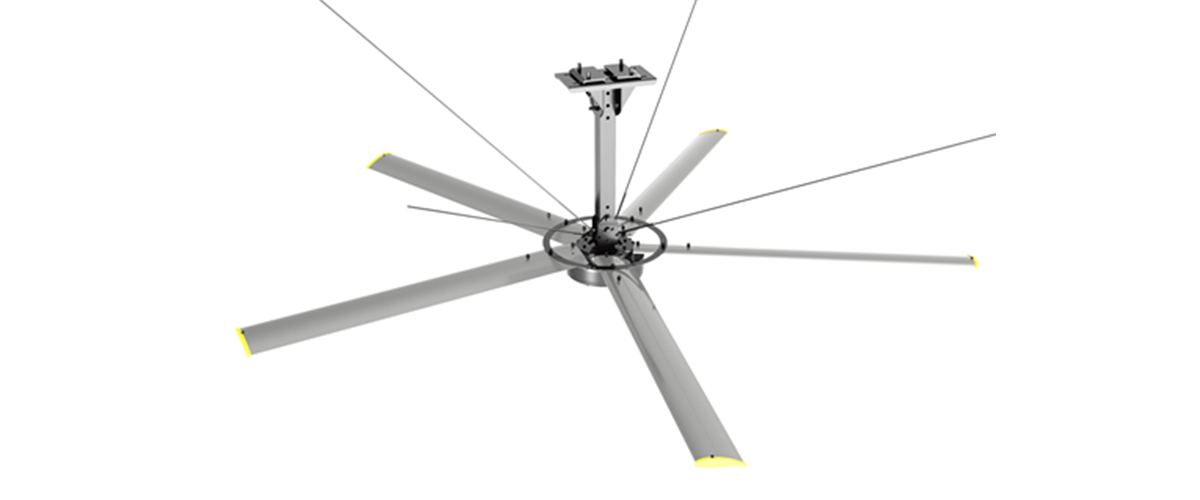
Constructed from high-tensile aviation-grade aluminum-magnesium alloys, the fan blades feature variable angle-of-attack profiles derived from aerospace aerodynamics. Winglets installed at blade tips reduce vortex drag and suppress turbulent wind noise, maximizing air displacement per revolution while preserving whisper-quiet acoustic signature.
Fluid Dynamics of Destratification: In high-ceiling retail spaces, warm air naturally rises due to buoyancy effects. A commercial HVLS fan forces a column of air vertically down to floor level. Upon contacting the ground surface, the air moves outward horizontally in all directions, creating a continuous floor jet layer. This floor jet scours stagnant air from under retail display counters, eliminates damp floor moisture in fresh product zones, and recirculates rising warm air back down, establishing a closed-loop microclimate envelope.
Apogee Electric
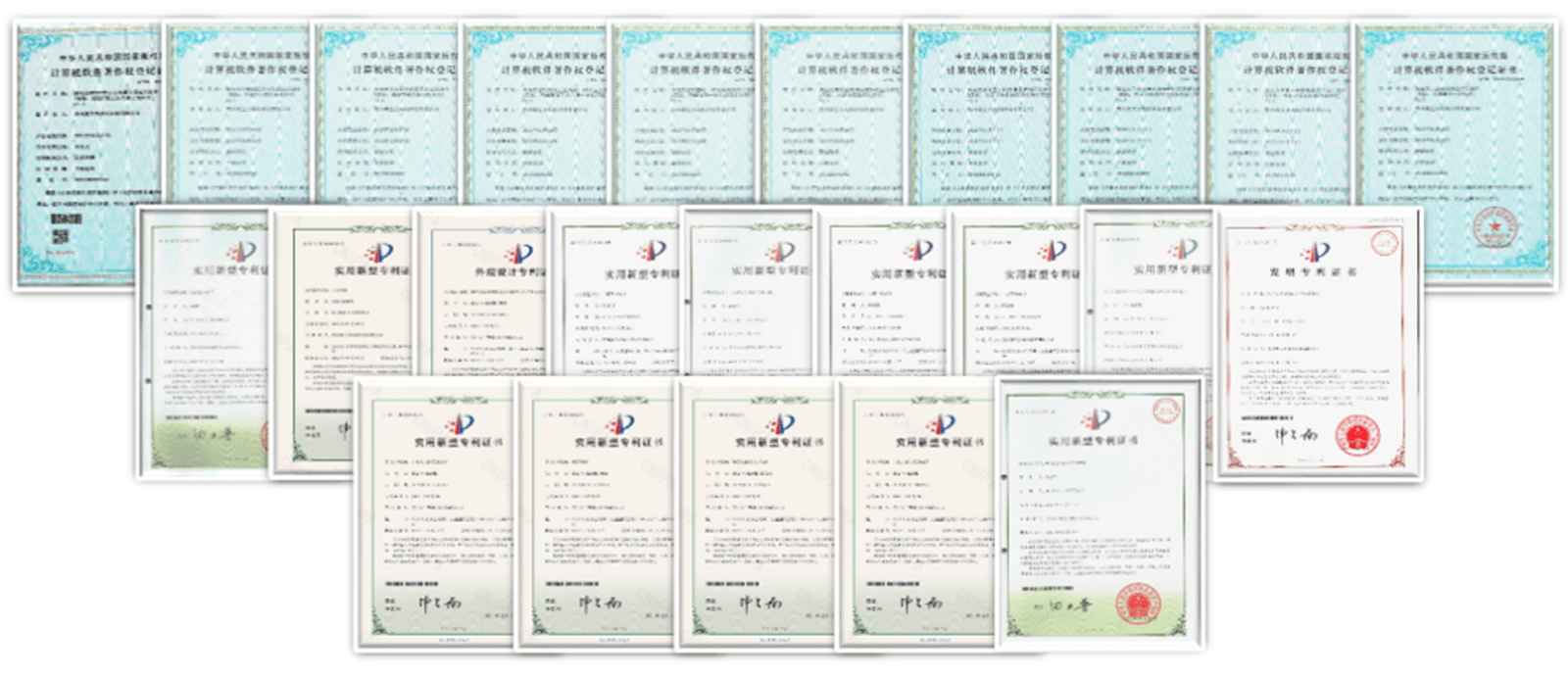
Apogee Electric was established in 2012, awarded with national Innovative and high-tech enterprise certificate, we have PMSM motor and motor control core technology, The company is an ISO9001 certified company and has more than 40 intellectual property rights for PMSM motor, motor driver, and HVLS FAN.
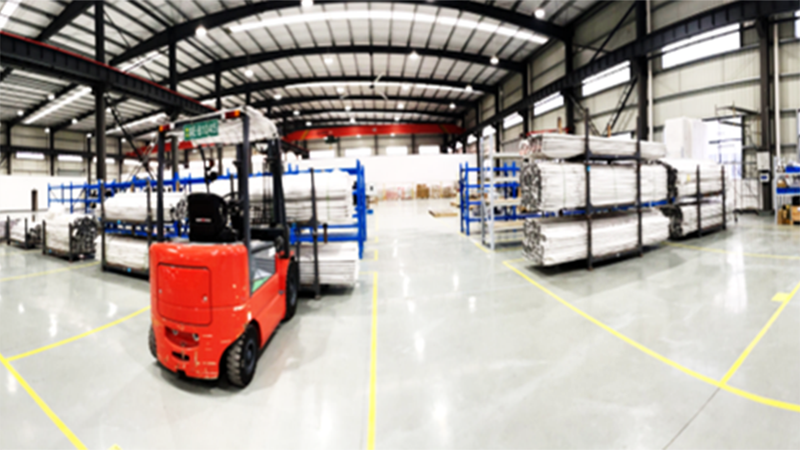
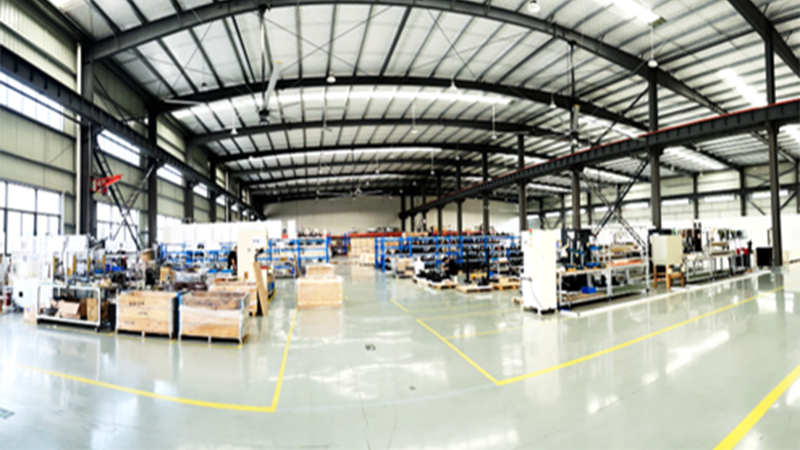
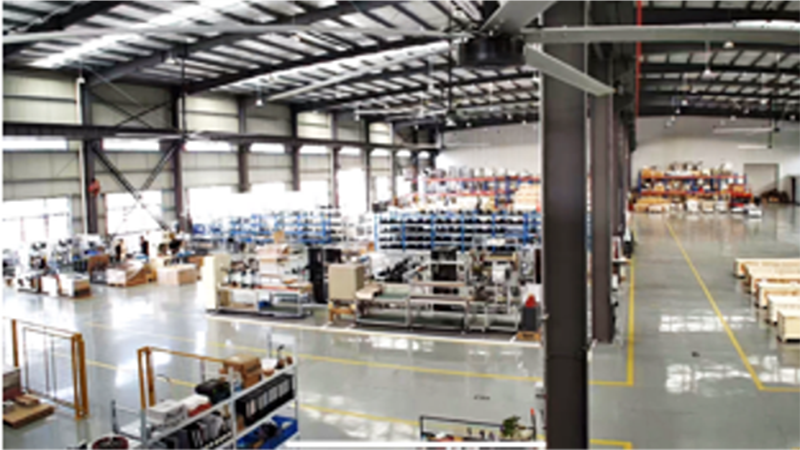
In 2022, we established a new manufacturing base in Wuhu city, over 10,000 sqm, the production capacity can reach 20K sets HVLS Fans and 200K PMSM motor and control systems. We’re the leading HVLS fan company in China, we have more than 200 people, dedicated in developing and manufacturing HVLS fans, cooling and ventilation solutions. Apogee PMSM Motor technology brings small size, light weight, energy saving, smart control to enhance product value. Apogee is located in Suzhou, 45 minutes away shanghai Hongqiao international airport. Welcome to visit us and become Apogee customers!
Factory Tour
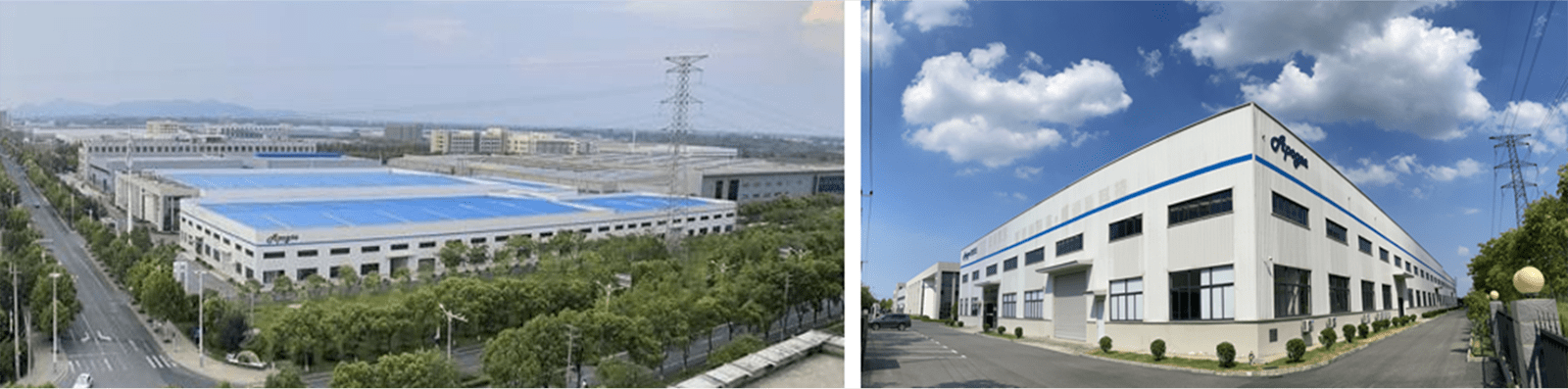
Manufacturing Facility & Operations
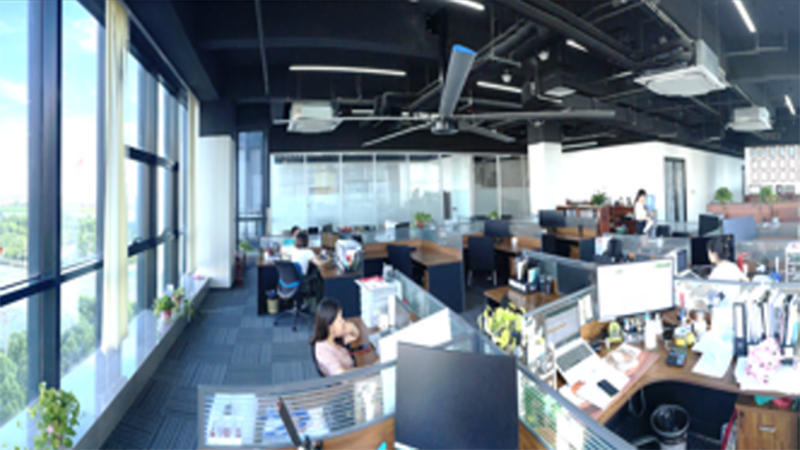
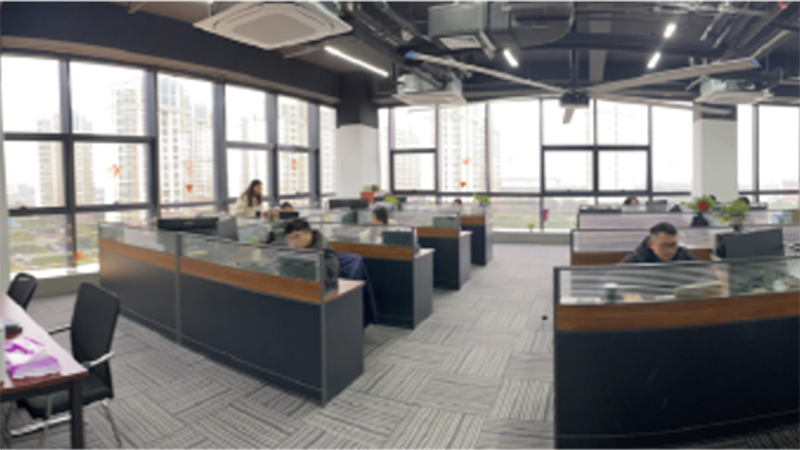
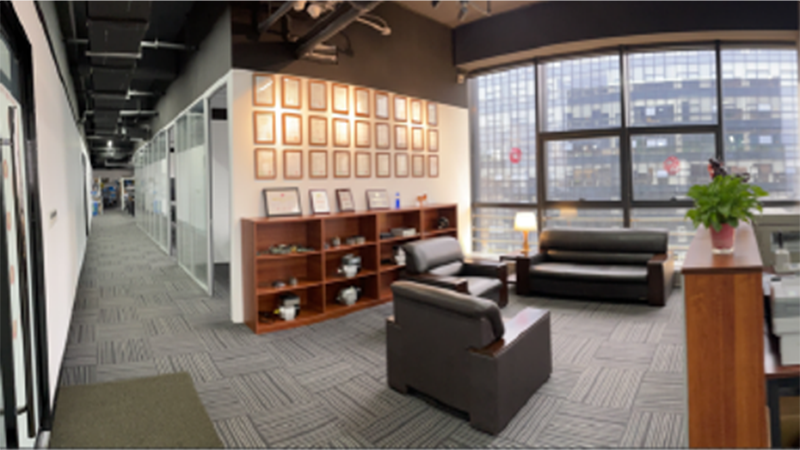
Our Partner
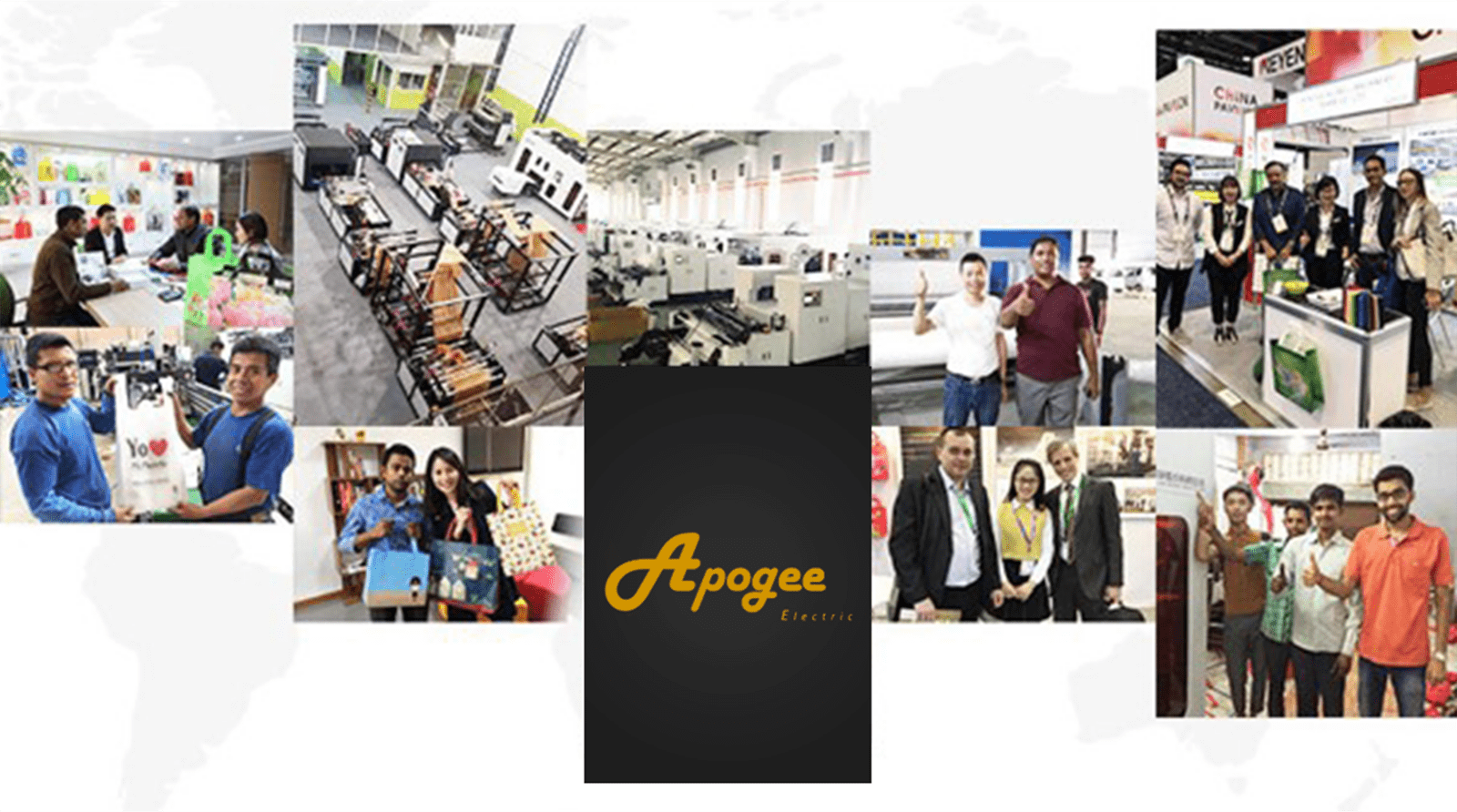
Certificates
ROI Analysis & Smart BMS Control for Commercial Retail Outlets
For commercial property developers, facility managers, and retail chain executives, investing in modern high-volume ceiling fans represents a strategic capital investment with an extremely fast payback period. On average, commercial facilities experience a full return on investment (ROI) within 12 to 18 months of installation through lower electrical bills and reduced HVAC compressor stress.
1. Seasonal HVAC Cost Reduction Strategy
During summer operating cycles, running commercial ceiling fans alongside air conditioning units enables facility engineers to set thermostat setpoints up to 2°C to 3°C higher without sacrificing shopper perceived comfort. According to ASHRAE standards, every 1°C increase in AC thermostat setting yields an estimated 4% to 7% decrease in energy consumption. In winter months, continuous thermal destratification prevents thermal energy from wasting away through roof structures, slashing store heating bills by up to 25%.
2. Intelligent BMS Integration & Smart Control Protocols
Apogee commercial HVLS fans incorporate proprietary intelligent control units supporting RS485 communication, Modbus, and CAN bus protocols. Retail facility operators can remotely control fan speed, monitor motor operating parameters, set automatic temperature-triggered speed curves, and group multiple units through centralized touchscreen consoles or integrated Building Automation Systems (BAS). This ensures seamless operational alignment with store trading hours and variable occupancy rates.
3. Supporting LEED Certification & ESG Goals
With corporate ESG (Environmental, Social, and Governance) policies driving retail sustainability, adopting energy-efficient PMSM commercial fans contributes significantly to green building standard compliance, including LEED (Leadership in Energy and Environmental Design) certification points in Energy Performance and Indoor Environmental Quality.
Commercial & Industrial Fan Series
Explore our comprehensive line-up of HVLS ceiling fans engineered for retail stores, shopping centers, warehouses, and commercial public spaces.