
The New Era of Educational Facility Ventilation
In the modern architectural landscape of educational institutions, the auditorium serves as the heart of intellectual exchange, cultural performance, and community gathering. However, these large-volume spaces often face significant challenges regarding thermal comfort and air quality. The "7.3m Big Fan for Educational Auditoriums" has emerged not just as a cooling tool, but as a critical component of sustainable campus design.
Auditoriums often feature high ceilings ranging from 8 to 15 meters. Traditional fans fail to push air to the floor level effectively, while central air conditioning creates "pockets" of stagnant air. The 7.3m HVLS fan solves this by creating a massive, slow-moving column of air that reaches every corner of the room, ensuring that students in the front row and the back gallery experience the same level of comfort.
Deep Application Analysis: Why 7.3m is the Perfect Fit
1. Noise Control: The Silent Educator
In an educational setting, acoustics are paramount. A loud fan can disrupt a lecture or a delicate musical performance. The 7.3m Big Fan utilizes advanced Permanent Magnet Synchronous Motor (PMSM) technology. Unlike traditional geared motors, PMSM motors operate with near-zero mechanical noise. At low speeds, the aerodynamic design of the blades ensures that the sound level remains below 40dB, which is quieter than a library whisper. This allows for clear communication between professors and students without the background hum typical of smaller, high-speed fans.
2. Thermal Destratification in Winter
Educational auditoriums are expensive to heat. Because heat rises, the warmest air in a 10-meter high auditorium is trapped at the ceiling, while students at floor level remain cold. In the winter, the 7.3m fan can be run in reverse or at very low speeds to push that trapped heat back down to the occupant level. This process, known as destratification, can reduce heating energy consumption by up to 30%, making it an essential tool for "Green Campus" initiatives.
About Apogee Electric
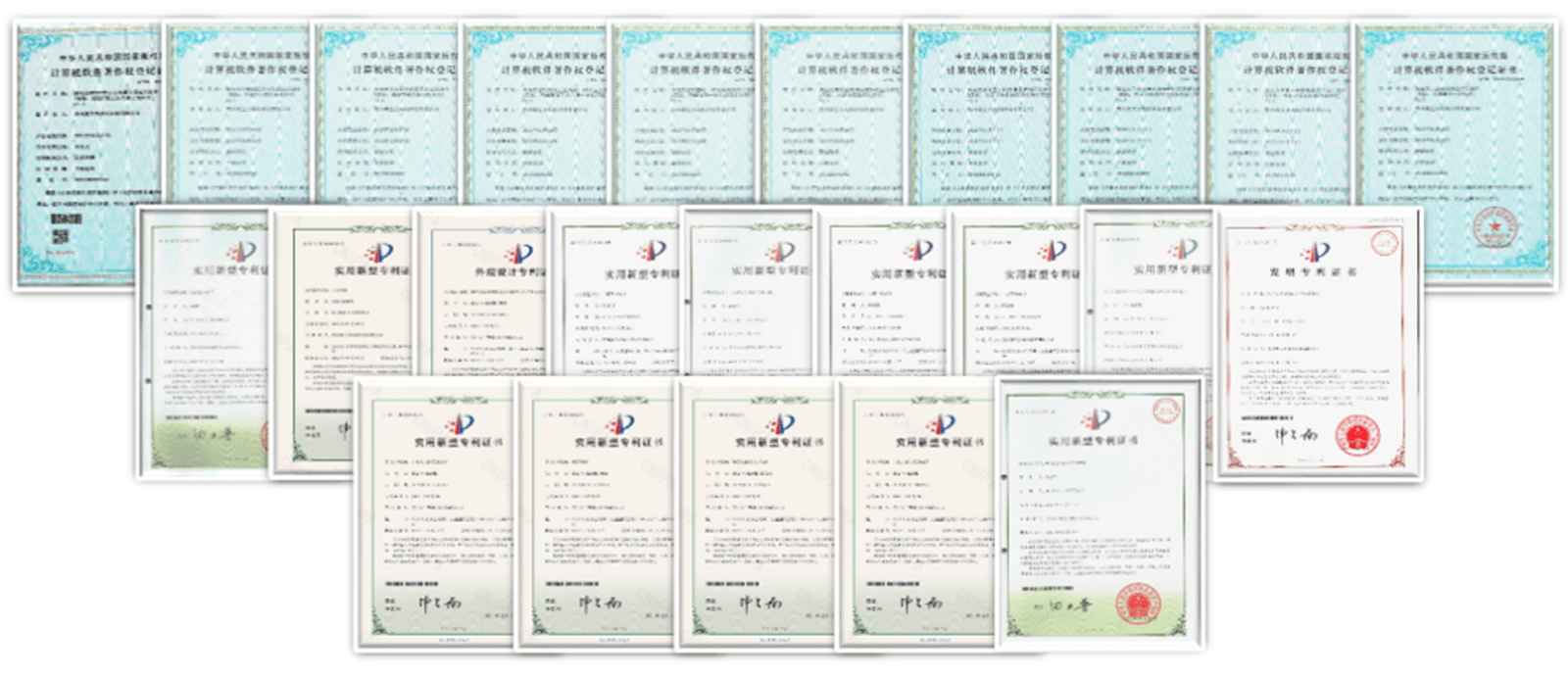
Apogee Electric was established in 2012, awarded with national Innovative and high-tech enterprise certificate, we have PMSM motor and motor control core technology. The company is an ISO9001 certified company and has more than 40 intellectual property rights for PMSM motor, motor driver, and HVLS FAN.
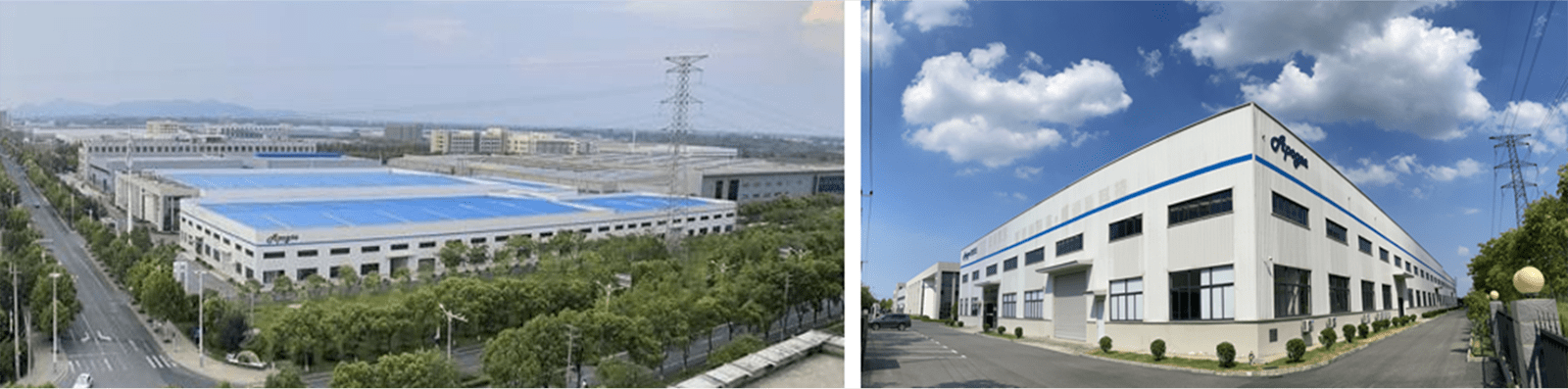
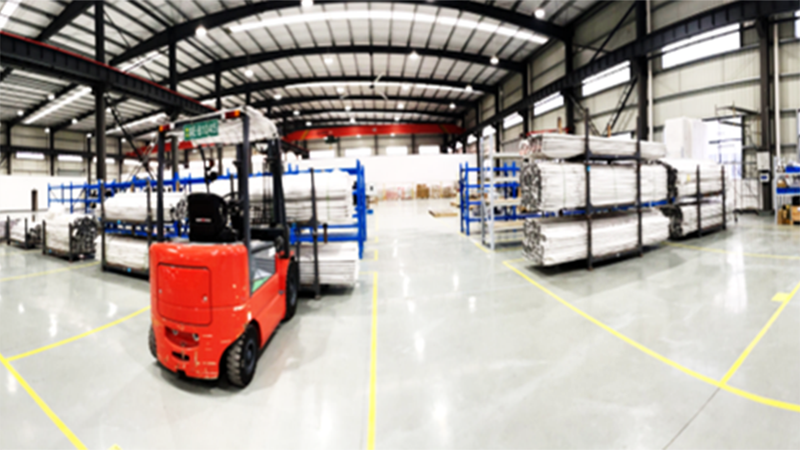
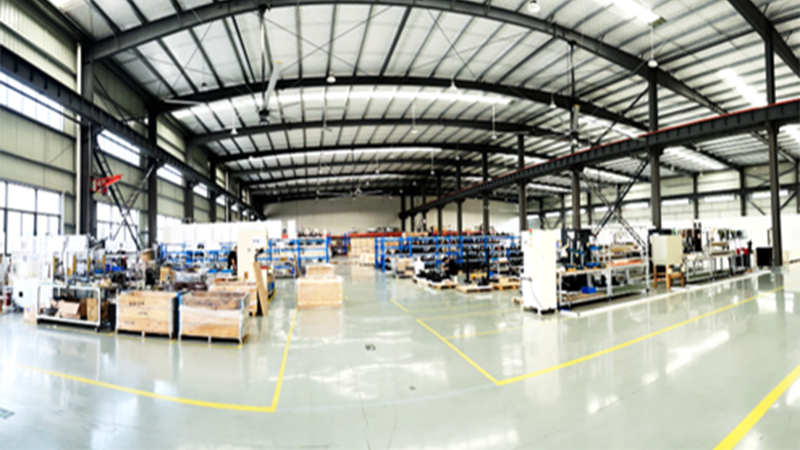
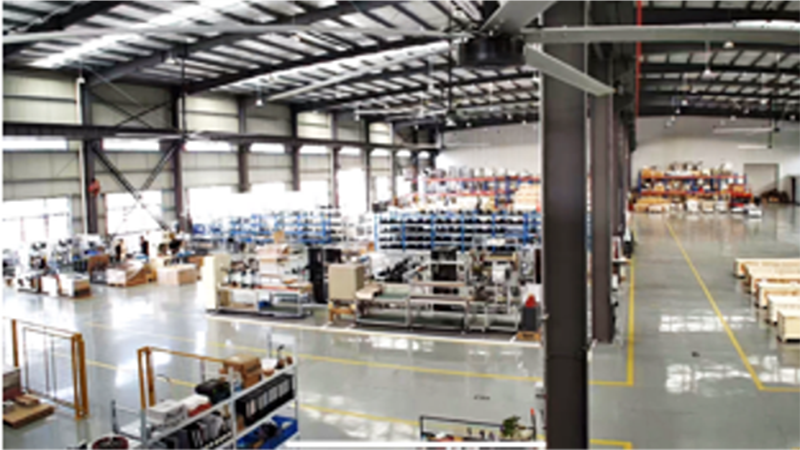
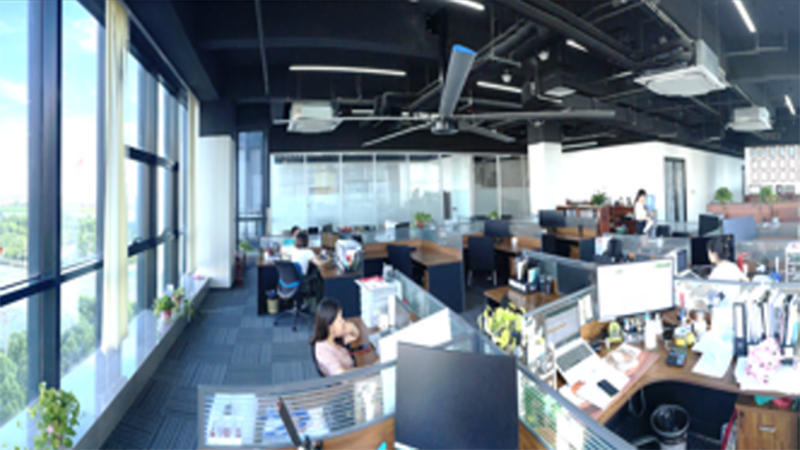
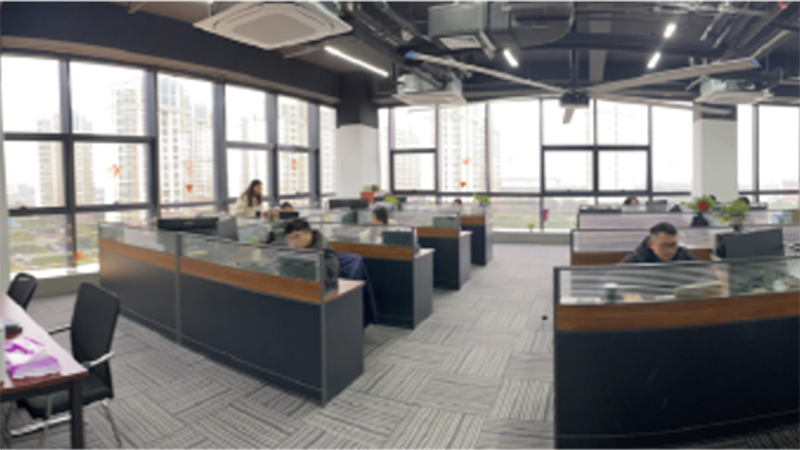
In 2022, we established a new manufacturing base in Wuhu city, over 10,000 sqm, the production capacity can reach 20K sets HVLS Fans and 200K PMSM motor and control systems. We’re the leading HVLS fan company in China, we have more than 200 people, dedicated in developing and manufacturing HVLS fans, cooling and ventilation solutions. Apogee PMSM Motor technology brings small size, light weight, energy saving, smart control to enhance product value. Apogee is located in Suzhou, 45 minutes away shanghai Hongqiao international airport. Welcome to visit us and become Apogee customers!
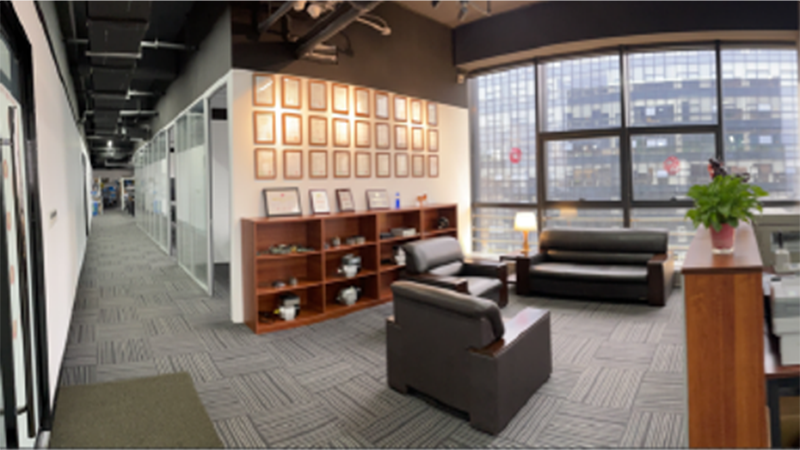
Factory Tour
Future Development Trends
The future of 7.3m Big Fans in educational spaces is leaning heavily towards AI-driven environmental control. We are seeing a move towards "Predictive Cooling," where the fan system analyzes class schedules and historical weather data to pre-cool an auditorium before a large student body arrives.
Another major trend is the Aesthetic Integration. No longer just industrial-looking machines, HVLS fans for auditoriums are now available in custom wood-grain finishes, carbon fiber textures, and RAL colors to match the architectural theme of prestigious universities. The fan becomes a centerpiece of the ceiling design, symbolizing the institution's commitment to technology and student well-being.
Furthermore, the integration of UVC Air Purification within the HVLS fan blades or hub is an emerging area of development. By circulating air through UVC zones, the 7.3m fan can actively reduce airborne pathogens, a feature that has become highly requested in post-pandemic educational facility planning.
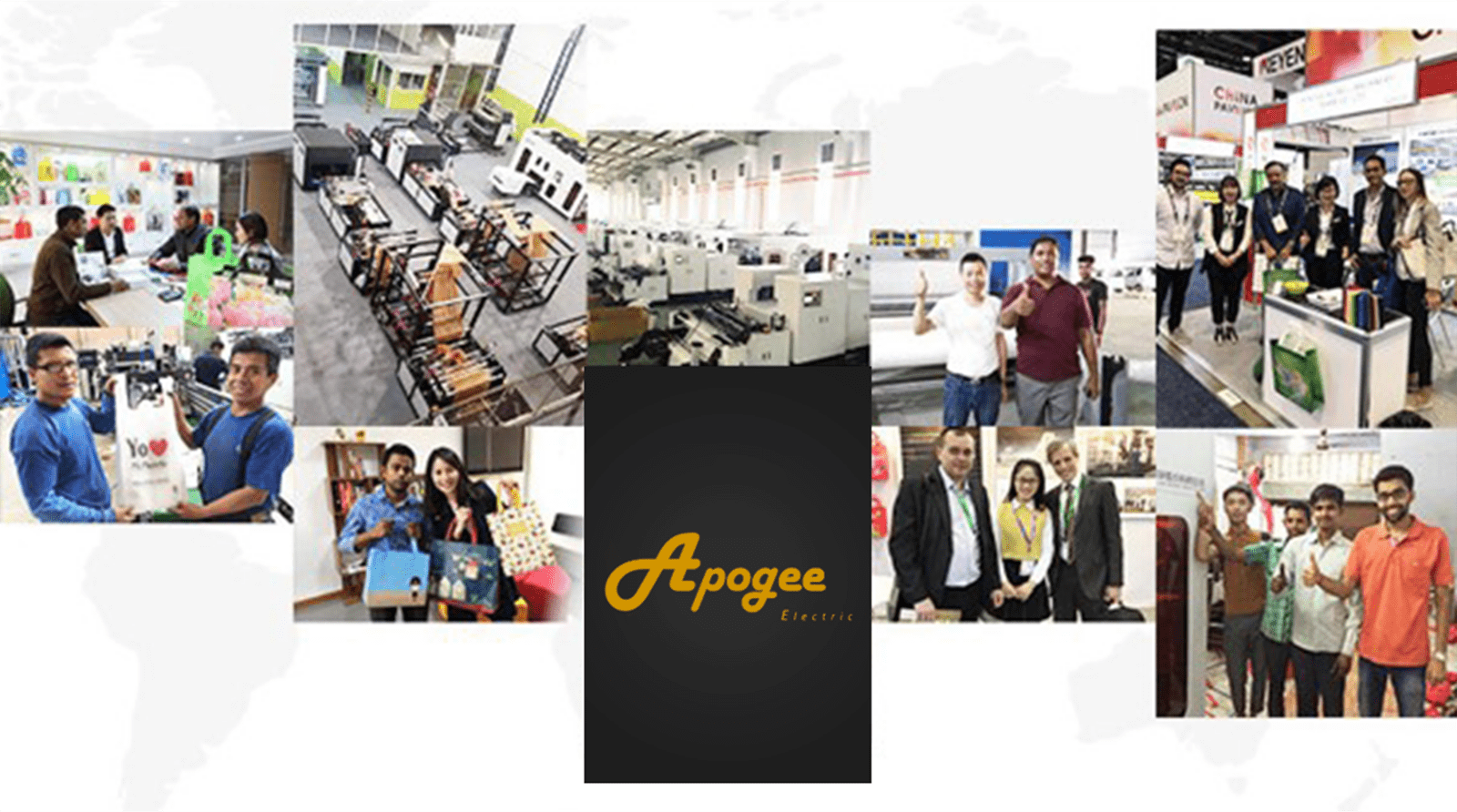
Global Recognition & Partnerships
Our Partners
Certificates
Explore Our Full Range of Solutions
 Commercial HVLS Fan - SDM Series
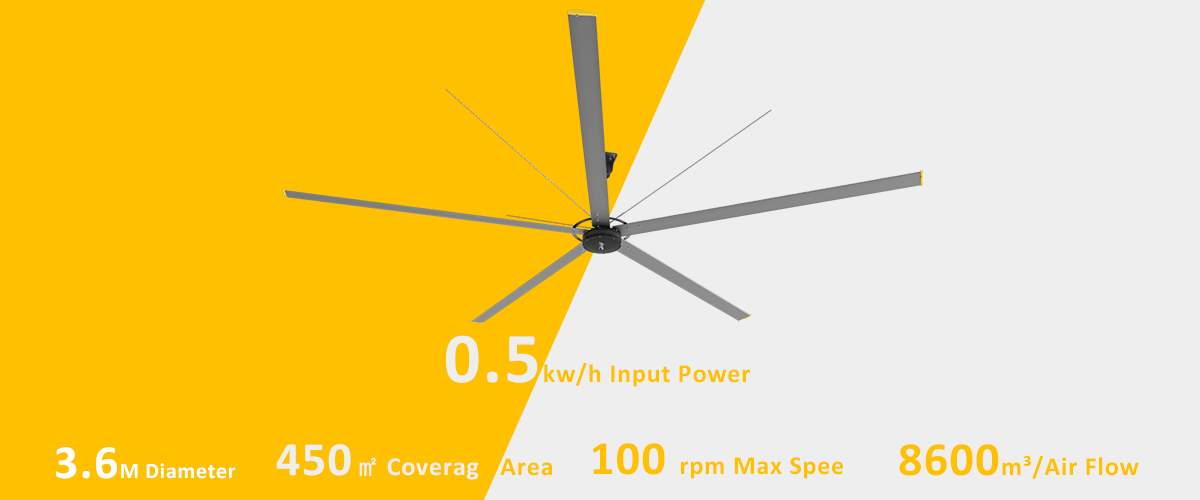 HVLS Fan - DM 3600
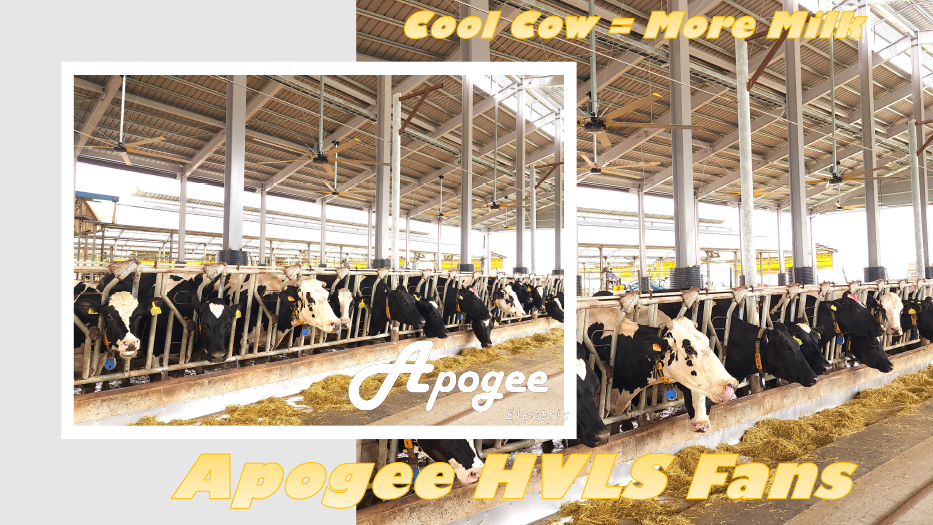 High-Volume Low-Speed Solutions for Large Campus Auditoriums
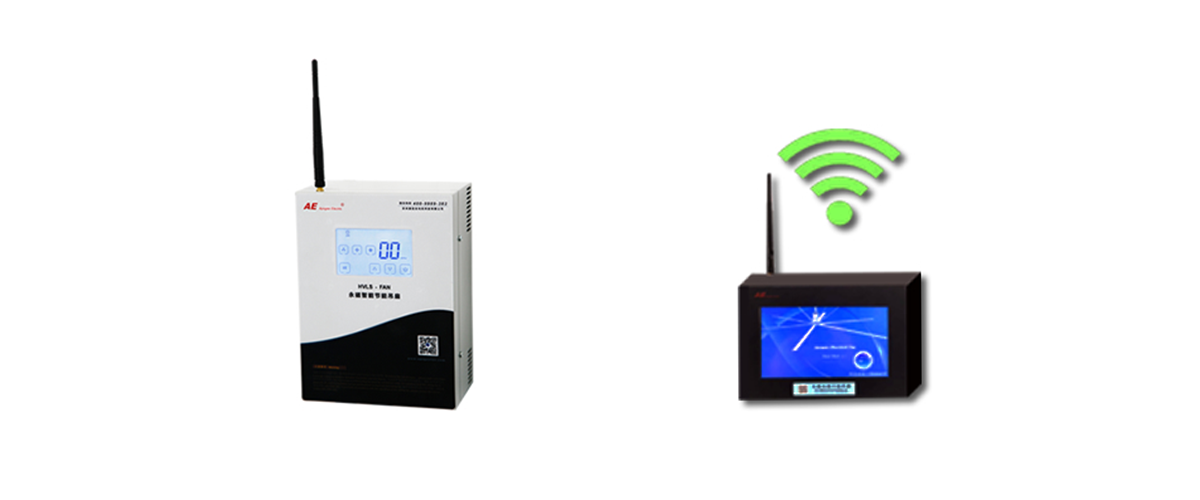 HVLS Fan Smart Control - AEXP, SCC
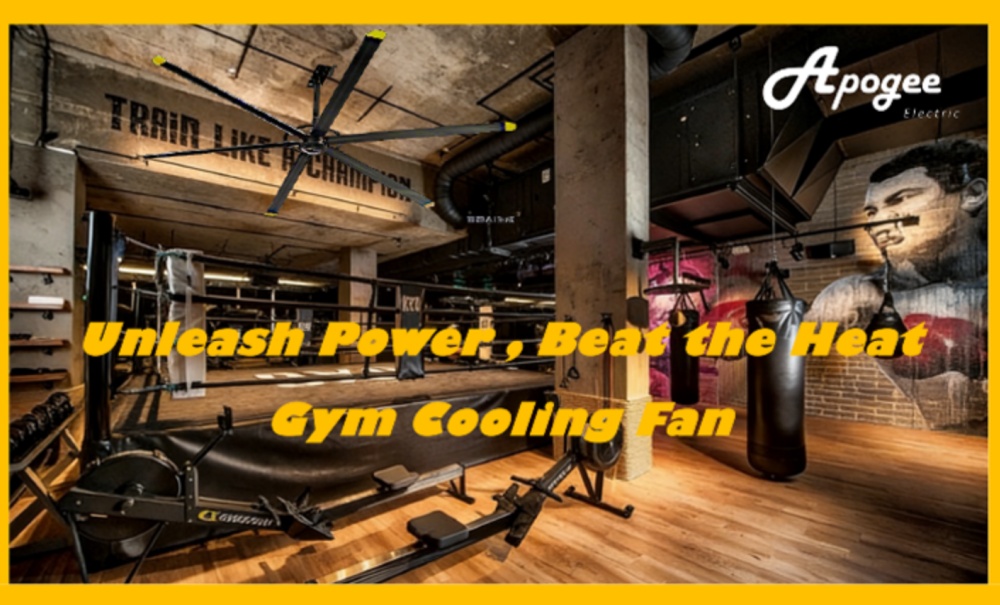 Customized Campus Hall Ceiling Fan with HVLS Motor
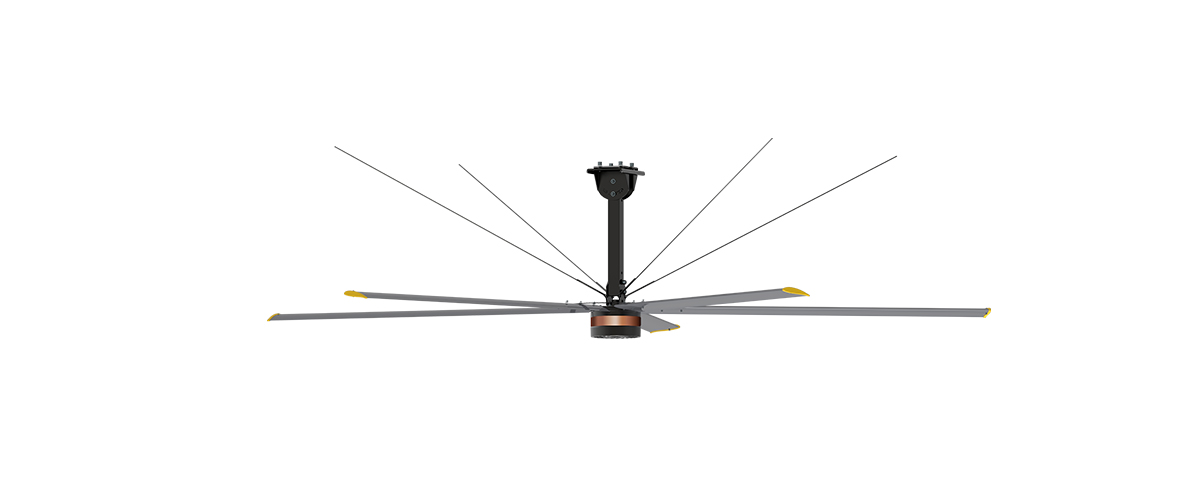 Commercial HVLS Fan - CDM Series
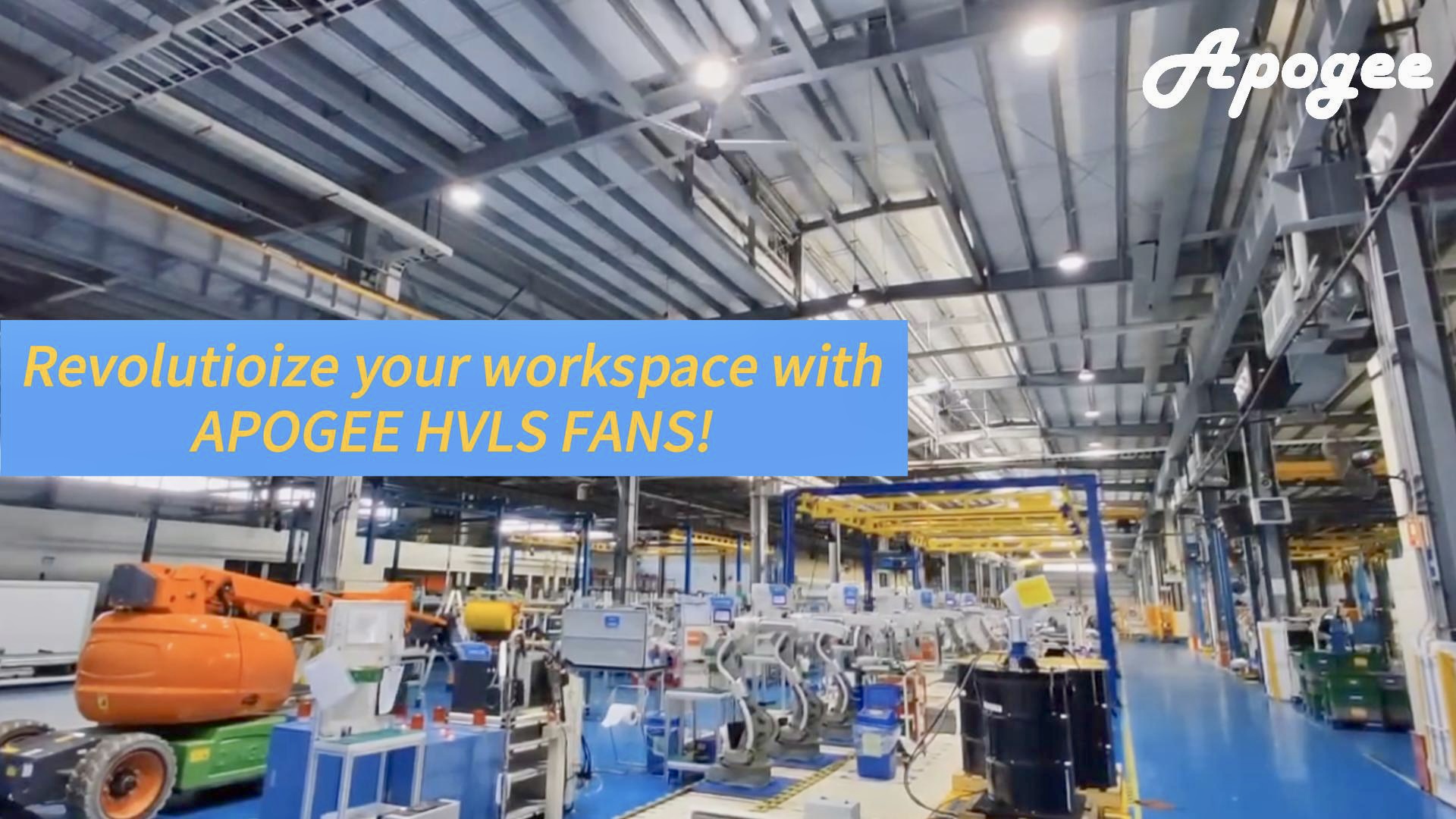 7.3m High-Performance Auditorium Ceiling Fan
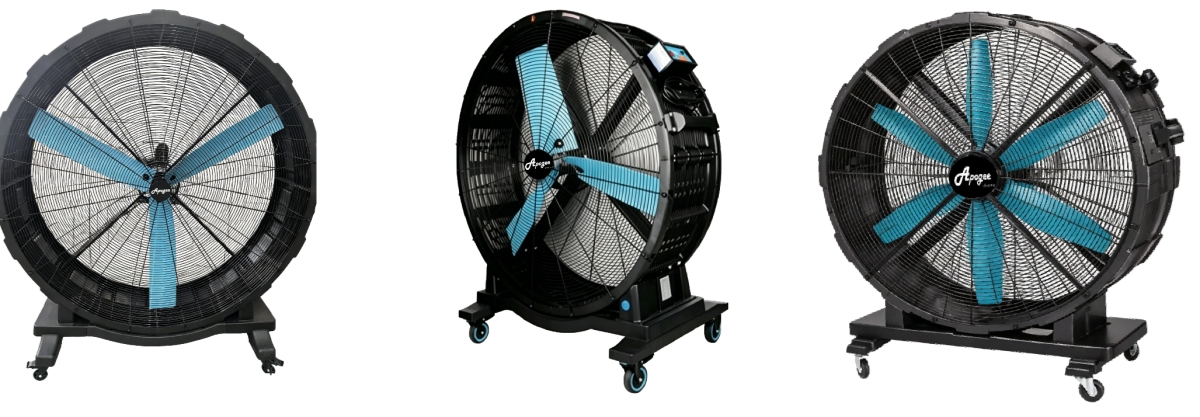 Portable Fan – MDM Series
SEO Keywords: 7.3m Big Fan, Educational Auditorium Ventilation, HVLS Fans for Schools, PMSM Motor Ceiling Fan, Large Space Cooling Solutions, Energy Saving Campus Fans, Apogee Electric HVLS, Auditorium Airflow Design.
When designing an educational auditorium, the integration of a 7.3m HVLS fan is a strategic investment in student health, academic performance, and operational efficiency. By leveraging the power of PMSM technology, Apogee Electric provides a solution that meets the rigorous demands of modern educational architecture while providing a sustainable path for future campus developments. Our 7.3m fans are engineered to provide maximum coverage with minimum noise, ensuring that the focus remains on learning and inspiration.