

The Critical Role of HVLS Fans in Modern Aviation Infrastructure
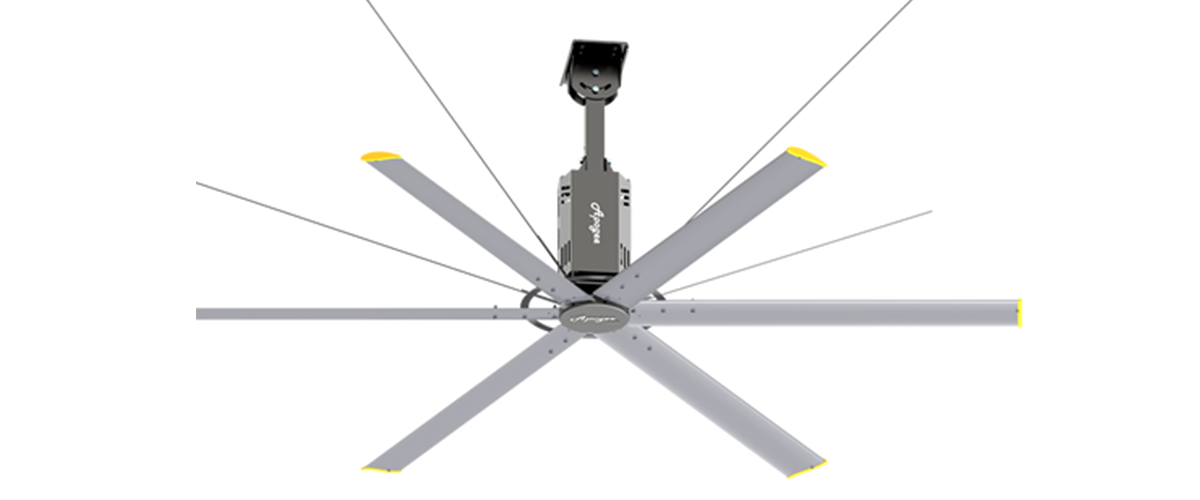
In the high-stakes environment of international airports, maintaining a consistent and comfortable climate is not just a luxury—it is a operational necessity. Large Industrial Fans For Airport Terminals, specifically High-Volume Low-Speed (HVLS) technology, have emerged as the gold standard for managing air quality and temperature in massive open-plan spaces. Modern terminals often feature soaring ceilings and expansive glass facades that create significant thermodynamic challenges. During summer, the "greenhouse effect" can overwhelm traditional HVAC systems, while in winter, expensive heated air rises to the ceiling, leaving passengers cold at ground level.
Solving the "Dead Air" Challenge
Airport terminals often suffer from stagnant air pockets in security queues and baggage claim areas. Our HVLS fans move massive columns of air slowly, creating a gentle "evaporative cooling" effect that makes people feel up to 8°C cooler without the noise or turbulence of high-speed fans.
The industrial status of airport ventilation is shifting toward sustainable, smart-controlled solutions. As airports globally commit to net-zero carbon goals, the integration of PMSM (Permanent Magnet Synchronous Motor) technology has become a game-changer. These motors offer higher efficiency and lower maintenance costs compared to traditional gear-driven motors, making them ideal for the 24/7 operational demands of a busy terminal.
Advanced Application Scenarios in Airport Environments
1. Departure Halls & Check-in Areas
These are the highest traffic zones where passenger stress levels are often elevated. Large industrial fans ensure a constant breeze that prevents the "stuffy" feeling associated with crowds. By destratifying the air, these fans ensure that air conditioning is distributed evenly, eliminating hot spots near large windows.
2. Baggage Claim & Arrival Lounges
Baggage claim areas are typically located in lower-ceiling zones or basement levels where air circulation can be poor. Compact HVLS solutions, like our SDM series, provide the necessary airflow to keep arriving passengers comfortable while they wait for their luggage.
3. Aircraft Hangars & Maintenance Facilities
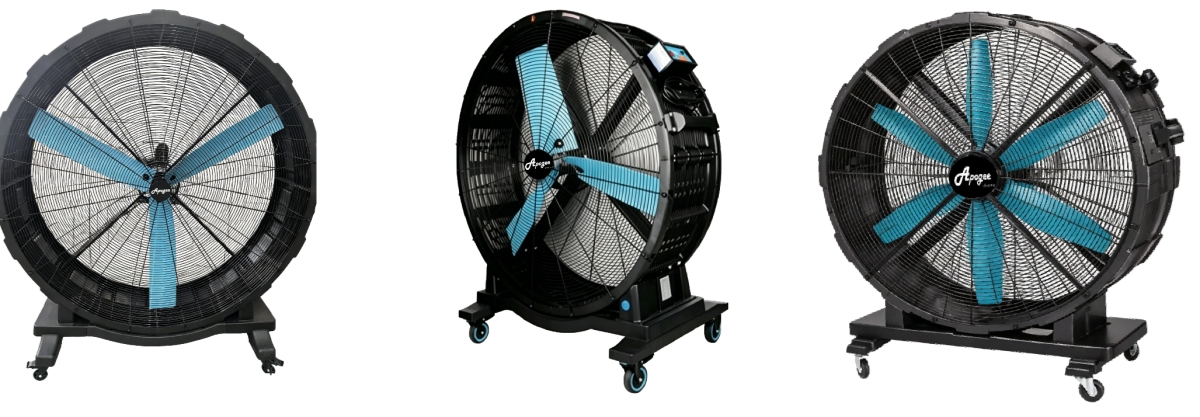
Maintenance crews work in harsh conditions. Large 24ft fans are essential here to provide cooling for technicians and to help exhaust fumes from jet engines and cleaning chemicals, ensuring a safer work environment.
4. Air Cargo & Logistics Hubs
Airports are major logistics nodes. Proper ventilation in cargo warehouses protects sensitive freight from heat damage and ensures the comfort of workers operating heavy machinery like forklifts.
Apogee Electric
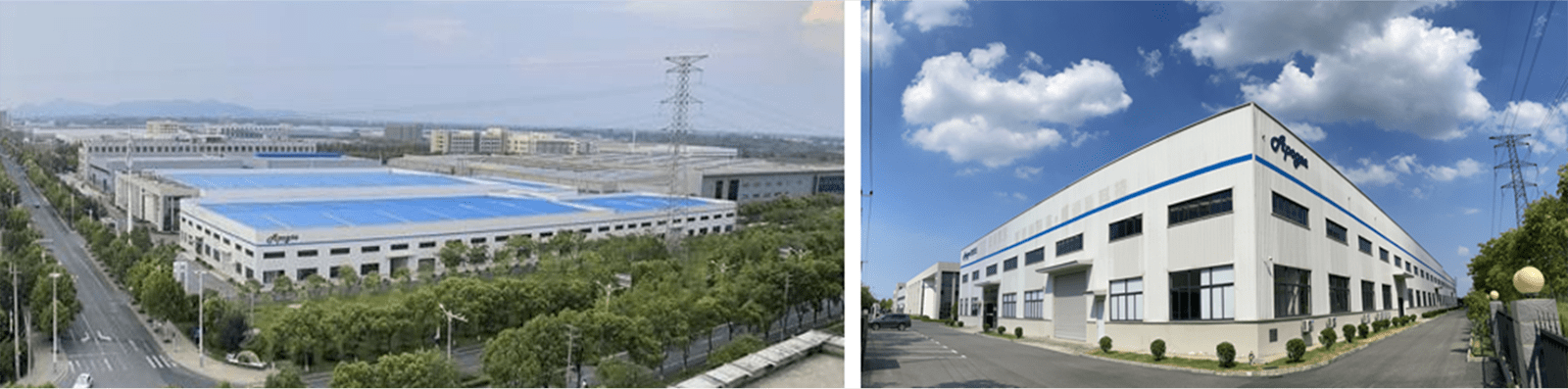
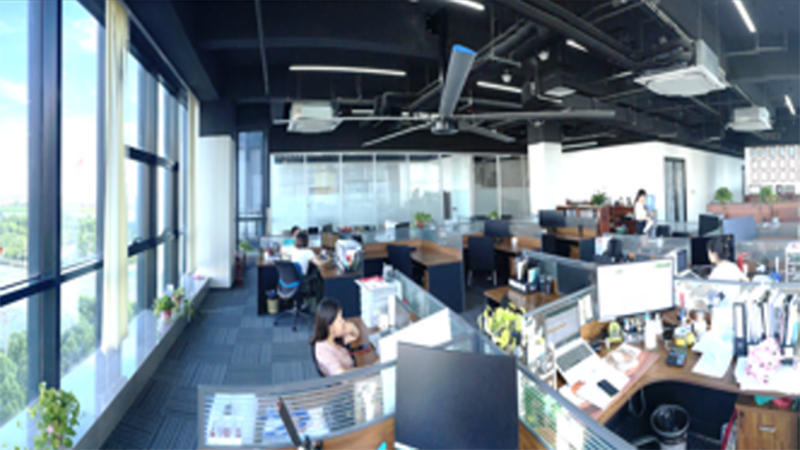
Apogee Electric was established in 2012, awarded with national Innovative and high-tech enterprise certificate, we have PMSM motor and motor control core technology. The company is an ISO9001 certified company and has more than 40 intellectual property rights for PMSM motor, motor driver, and HVLS FAN.
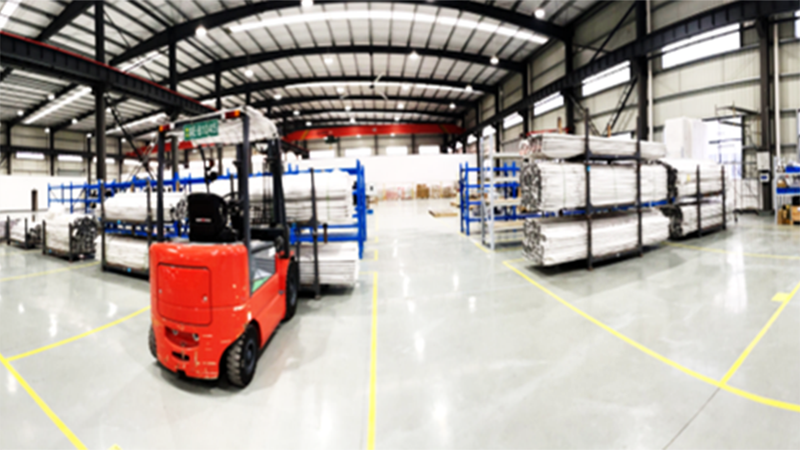
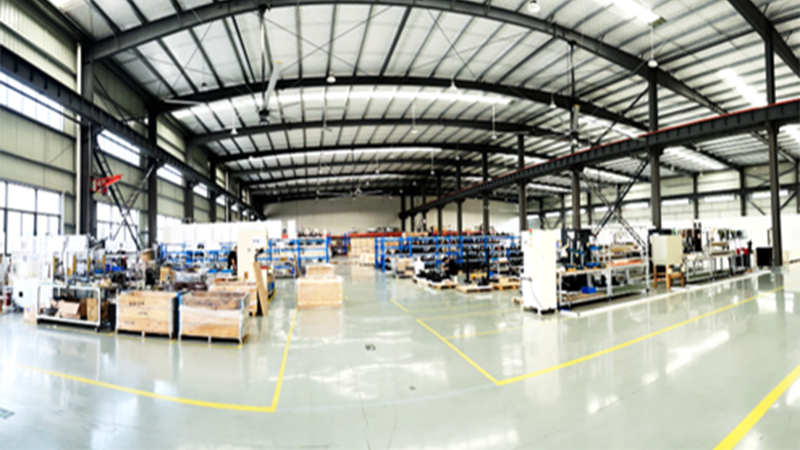
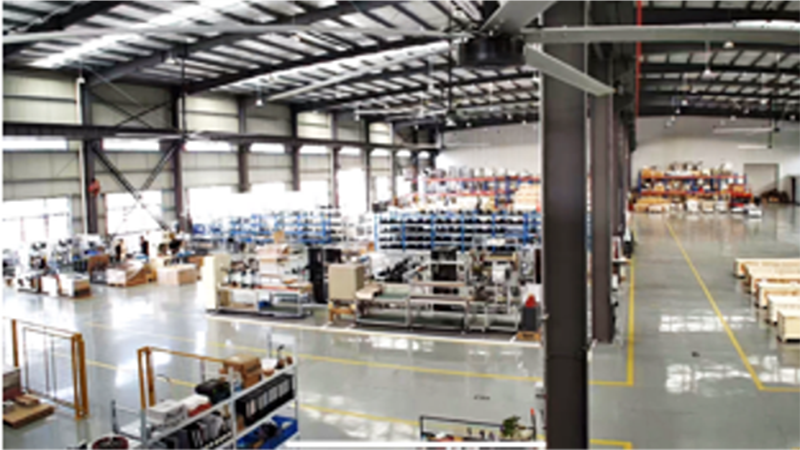
In 2022, we established a new manufacturing base in Wuhu city, over 10,000 sqm, the production capacity can reach 20K sets HVLS Fans and 200K PMSM motor and control systems. We’re the leading HVLS fan company in China, we have more than 200 people, dedicated in developing and manufacturing HVLS fans, cooling and ventilation solutions. Apogee PMSM Motor technology brings small size, light weight, energy saving, smart control to enhance product value. Apogee is located in Suzhou, 45 minutes away shanghai Hongqiao international airport. Welcome to visit us and become Apogee customers!
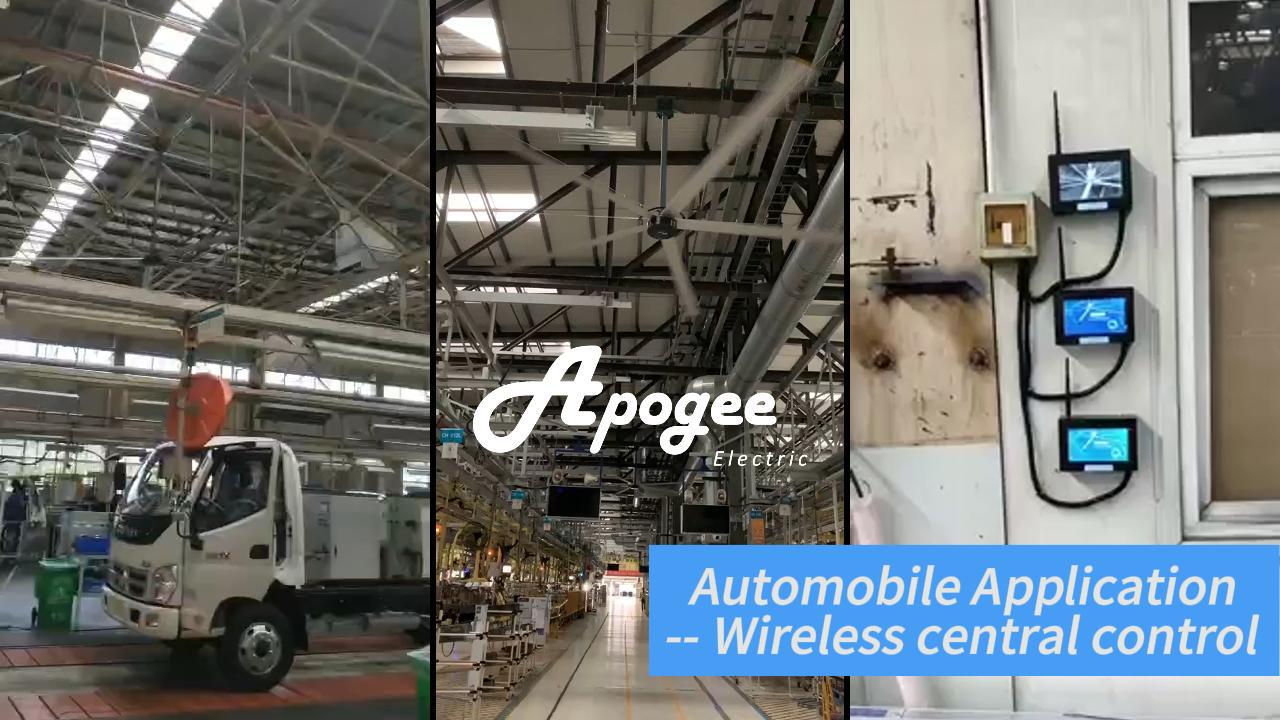
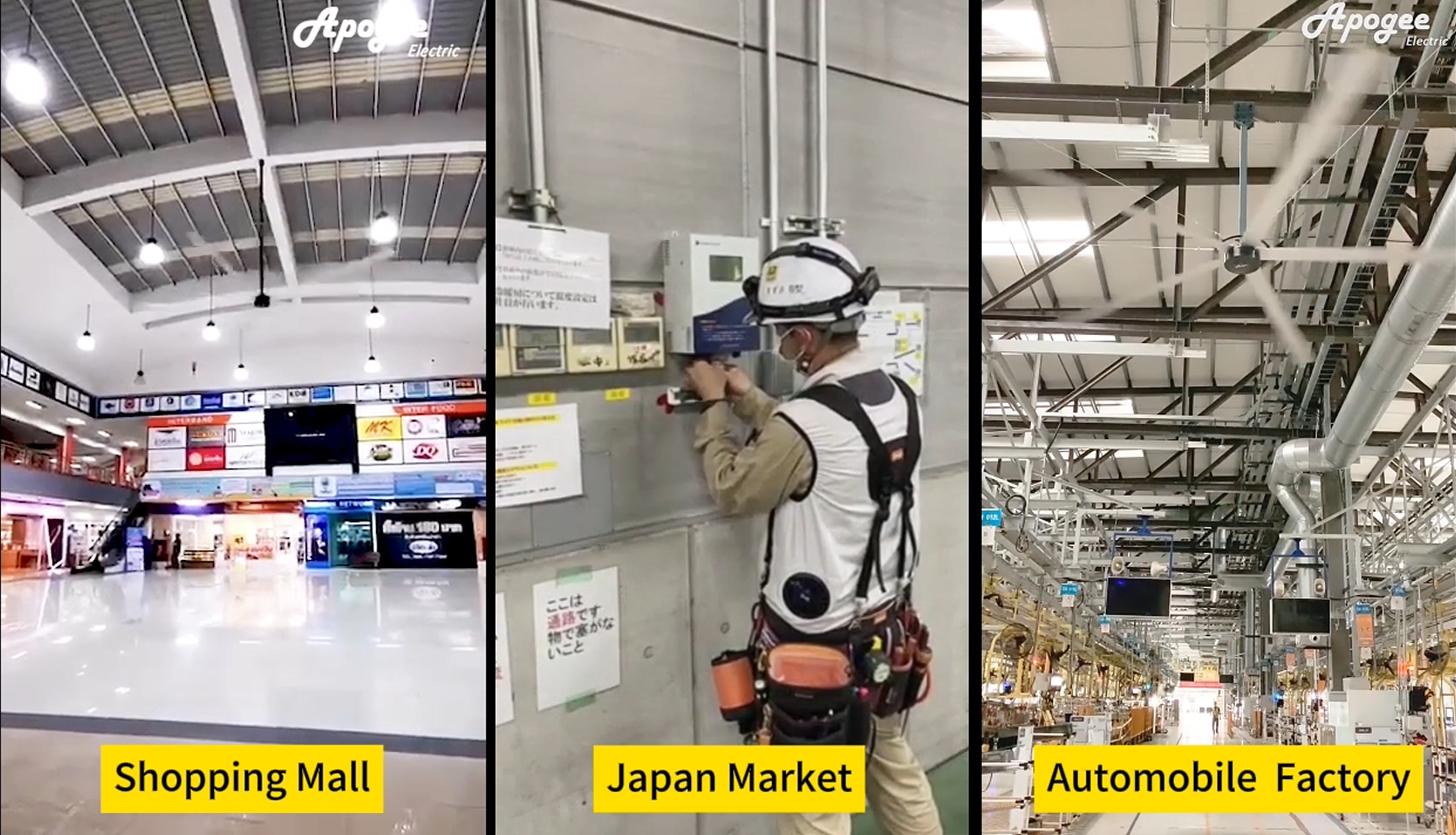
Factory Tour


Future Trends: AI Integration and Smart Ventilation
The next generation of Large Industrial Fans For Airport Terminals is not just about moving air; it's about intelligence. At Apogee, we are pioneering the integration of smart sensors and building management systems (BMS). This allows fans to automatically adjust their speed based on real-time passenger density and ambient temperature readings.
The PMSM Revolution
Our Permanent Magnet Synchronous Motors (PMSM) represent the peak of industrial fan engineering. Unlike traditional motors, PMSM eliminates the need for a gearbox, reducing noise to whisper-quiet levels (below 40dB)—a critical requirement for airport gate areas where announcements must be heard clearly.
Furthermore, the development of "Fan-as-a-Service" and predictive maintenance is a growing trend. By using IoT-connected controllers, airport facility managers can monitor the health of every fan across multiple terminals from a single dashboard, predicting when a component might need service before a failure occurs. This ensures 100% uptime for critical passenger comfort systems.
Sustainability and ESG Goals
For airport operators, the business case for HVLS fans is heavily tied to ESG (Environmental, Social, and Governance) targets. By reducing the load on HVAC systems, HVLS fans can lower a terminal's energy consumption by up to 30%. This translates to a massive reduction in the airport's carbon footprint, helping them achieve international green building certifications like LEED or BREEAM.
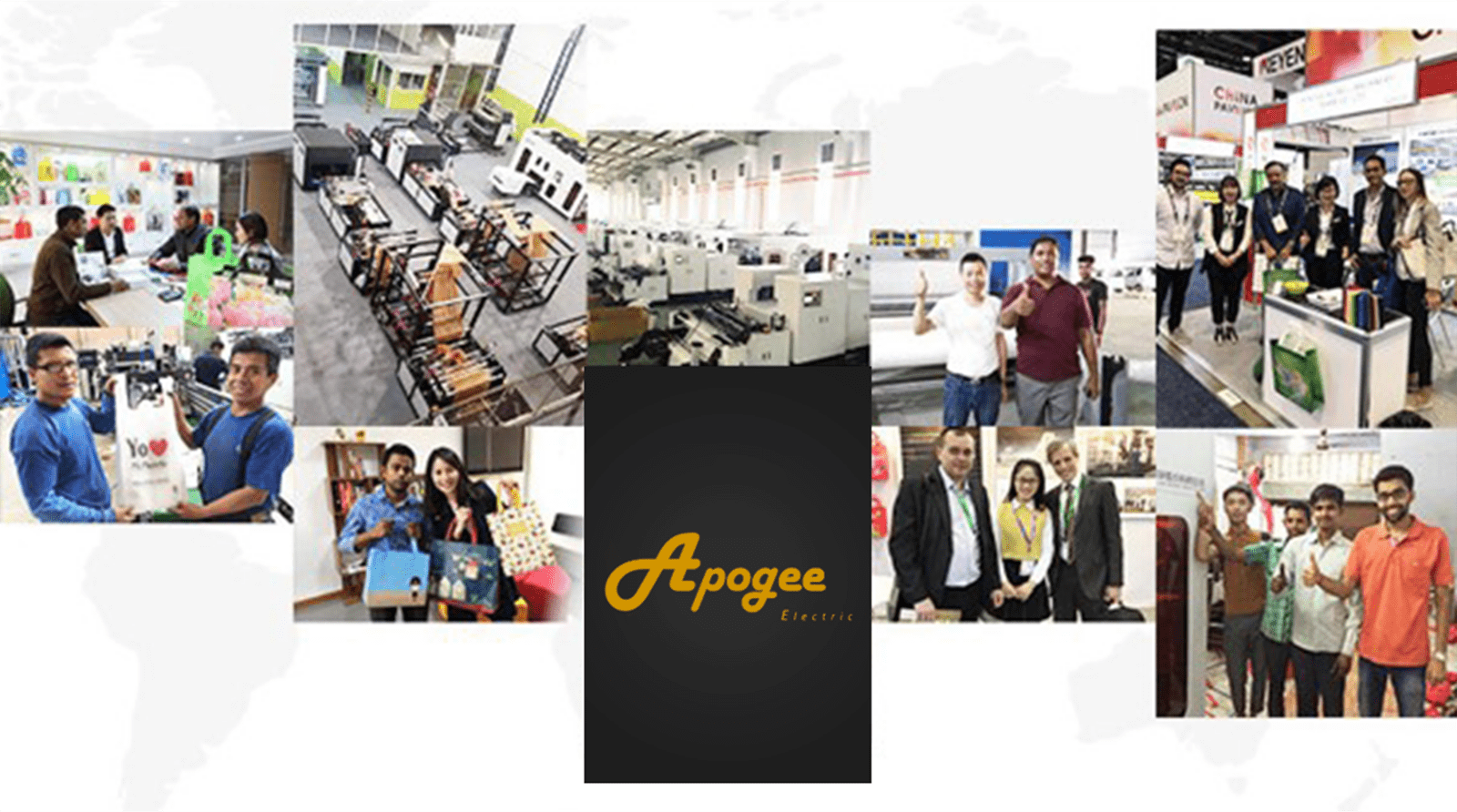
Our Partners
Certification



Economic Impact and ROI for Airport Operators
Investing in Large Industrial Fans For Airport Terminals offers a rapid Return on Investment (ROI). Beyond the direct energy savings, there are secondary economic benefits that are often overlooked. For instance, improved passenger comfort is directly correlated with increased "dwell time" in terminal retail and dining areas. A comfortable passenger is more likely to browse shops and spend money at restaurants than one who is rushing to find a cooler spot.
From a maintenance perspective, Apogee's PMSM motor fans are designed for a service life exceeding 15 years with minimal intervention. Traditional fans with gearboxes require regular oil changes and seal inspections, which can be difficult and expensive to perform in high-ceiling terminal environments. By eliminating the gearbox, we eliminate the primary point of failure and the associated maintenance labor costs.
In conclusion, as airports evolve into "Aerotropolises"—mini-cities that operate around the clock—the need for efficient, silent, and powerful air movement solutions becomes paramount. Apogee Electric stands at the forefront of this evolution, providing the technology that keeps the world's travelers cool, comfortable, and moving toward their next destination.